Blog

Should I Take An Estrogen Blocker With Testosterone

When To Use Estrogen Blocker With TRT

Many men experience the sensation of “slowing down” as they age. This occurs in large part due to dwindling levels of testosterone, a sex hormone responsible for things like sexual function, muscle building, bone growth, and sperm production. As testosterone production begins to decline with age, you may experience unwanted symptoms like low sex drive, erectile dysfunction, low muscle mass, weight gain, depression, irritability, and fatigue.

While aging is a completely natural process, modern medical advancements can positively influence our overall well-being at any age. Testosterone replacement therapy (TRT), like the one offered at LaSara Medical Group, can help regulate testosterone levels in your body.

In addition to low testosterone levels, an elevated level of another hormone, estrogen, could play a part in unwanted symptoms. Learn if taking an estrogen blocker in addition to your testosterone replacement therapy could be the right step for your overall wellness.

What Is Testosterone?

Several hormones play an essential role in the male body. One of these hormones, testosterone, is produced in the testicles and is essential for the following functions:

  • Erectile function
  • Correction of low libido
  • Sexual health
  • Muscle building
  • Mood stabilising
  • Energy production

When a person experiences low t (testosterone) levels, their quality of life may be adversely affected.

What is Estrogen?

Estrogen is a sex hormone that plays a vital role in male sexual health and reproductive systems and is present in the testicles. Estrogen levels in men can vary depending on their age and medical history. Typically, a man’s estradiol level is around 10-40 picograms per millimeter (pg/ml), and the estrone level is 10-50 pg/ml.

Estrogen is responsible for:

  • Maintenance and growth of bones
  • The location and distribution of body fat
  • Coordination of head and eye movement to support vision
  • Sexual functioning, such as libido and proper erectile functioning
  • Sperm creation

Is Estrogen Good or Bad for Men?

Healthy hormone levels of estrogen in men are not a problem. But when the hormonal balance is disrupted, and the male body begins producing too much estrogen, you may notice some unpleasant side effects like:

  • Gynecomastia — male breast growth or development of excess breast tissue.
  • Erectile dysfunction
  • Reduced sex drive
  • Infertility
  • Reduced muscle mass and energy
  • Hot flashes
  • Decreased testicle size
  • Low-energy fractures (where bone fractures occur due to falling from a standing height or less)What is Estrogen

Estrogen levels tend to rise for men undergoing TRT, which may require including estrogen blockers as part of your treatment plan. Not all men undergoing hormone replacement therapy will need estrogen blockers as part of their treatment. The knowledgeable medical staff at La Sara Medical Group can help formulate a customized hormone replacement therapy based on the individual patient’s blood tests and symptoms.

The Relationship Between Testosterone And Estrogen In Men

Both men and women produce testosterone and estrogen hormones. Men create more testosterone (the male hormone), and women generally make more estrogen (the female hormone). In the male body, a process called aromatization uses the enzyme aromatase to convert testosterone into an estrogen called estradiol.

Testosterone Replacement Therapy adds testosterone to the body, which, in some cases, can also correspond with heightened estrogen production. A common symptom of heightened estradiol production in men is edema – a retention of fluids in the arms and legs that cause swelling and pain. Age and obesity increase the risk of estrogen and its estradiol production overabundance. Aromatase inhibitors or estrogen blockers for men can counteract this and allow you to realize all of the benefits of TRT without the downsides.

What Are Estrogen Blockers?

Estrogen blocker medications were developed and FDA-approved for use in women suffering from breast cancer. However, these estrogen blockers can also be used off-label in males with elevated estrogen levels.

Estrogen blockers could reduce the excess estrogen production associated with testosterone therapy and allow you to receive optimal results from TRT.

Medications Used for Estrogen Blocking

Medications used as estrogen blockers include:

  • Aromatase inhibitors (AI): Aromatase inhibitors can help increase testosterone levels, along with other hormones, by inhibiting the ability of androgens to be converted to estradiol in the body. Medications in this group include anastrazole and letrozole.
  • Selective estrogen receptor modulators (SERM): SERMs bind to estrogen receptors to prevent them from binding to each other. Tamoxifen and clomiphene citrate are common SERM medications used to address the hormonal balance in males.

Side Effects of Estrogen Blockers

Estrogen blockers are generally well-tolerated. However, there aren’t FDA-established guidelines for their use in males. The following are some of the side effects of specific estrogen blocker medications:

  • AI: AI is generally well-tolerated. However, side effects may include nausea, an increase in liver enzymes, hot flashes, and headaches.
  • SERM: Clomiphene citrate usually has minimal side effects and can increase testosterone levels and improve bone mineral density and androgen deficiencies. Rare side effects include headaches, changes in vision, and gynecomastia (enlargement of male breasts). Tamoxifen has more serious side effects, like gastrointestinal upset, risk of blood clots, and cardiovascular problems.

TRT at LaSara Medical Group

If you are interested in finding out if estrogen blockers could be a beneficial addition to your TRT protocol, our helpful medical staff is here to help. At LaSara Medical Group, we understand the unique challenges men and women face. Our highest priority is to help you get back to feeling healthy and confident, and we are happy to offer nationwide coverage. Book a consultation with us today and allow us to guide you toward your goals. Our knowledgeable providers are here to help craft a personalized approach to your hormone treatment protocol and help you achieve your desired results without ever having to come into the office physically. Call us today to schedule a Telehealth appointment, or come to see us in person at one of our offices in Orange County, San Diego, or Los Angeles.

The Basics of Compounded Tirzepatide

Weight management can be difficult for many. In the last few years, scientific breakthroughs have changed how many view and treat weight loss. Today, there are many prescription medications that can help with weight loss. One of these medications is tirzepatide. In this article, we’ll look in-depth at tirzepatide: what it is, how it works, and why you might consider taking it in a compounded form. 

What is tirzepatide?

Tirzepatide is a drug that individuals take to help manage diabetes. It’s an injectable peptide that’s currently FDA-approved for those with Type 2 diabetes and commonly sold under the brand name Mounjaro. It’s also known as Zepbound, used for medically supervised weight loss. This drug is approved for adults with a body mass index (BMI) of 30 or more. It can also be used by adults who have a BMI over 25. Patients should take this with the appropriate diet and exercise for best results. The pharmaceutical company Eli Lilly produces both Mounjaro and Zepbound.

Tirzepatide is a dual-action drug that targets glucagon-like peptide-1 (GLP-1) and glucose-dependent insulinotropic polypeptide (GIP) receptors. 

When it acts on the GLP-1 receptor, it helps regulate appetite. When it acts on the GIP receptor, it regulates blood sugar levels while improving fasting insulin levels. In these ways, it helps slow food leaving the stomach while reducing appetite. Studies of tirzepatide also show promising results. Clinical trials show that its use can lead to significant weight loss. 

Tirzepatide vs Semaglutide

Another popular drug choice for weight loss is semaglutide. Branded semaglutides include Wegovy and Ozempic. Like tirzepatide, these semaglutide medications target glucagon-like peptide-1 receptors to help regulate and suppress appetite. However, these weight-loss drugs only target one receptor. Tirzepatide, on the other hand, takes a double-receptor approach, and it seems to provide more noticeable results.

What are the benefits of tirzepatide? 

Studies have shown that tirzepatide offers many benefits. Here are a few of the many benefits for weight loss patients:

  • Effective weight loss aid
  • Targets multiple pathways involved in glucose regulation and appetite control
  • Promotes sustainable weight loss outcomes
  • Demonstrated efficacy in reducing body weight
  • Potential improvement in overall health markers, such as blood sugar levels
  • Favorable safety profile
  • Offers hope for individuals struggling with obesity
  • Food and Drug Administration (FDA) approved

Now that you know more about the benefits of tirzepatide, let’s look at alternative options for those looking to take control of their weight.

What is a compound medication?

Before we talk about compounded tirzepatide, it’s important to understand what compounding is and how it works. Drug compounding is the process of mixing, combining, or altering ingredients to create custom-tailored medications for patients. Often, this process includes combining two or more drugs. It’s important to note that compounded drugs aren’t FDA-approved. Patients may opt for a compounded medication instead of a branded one for many reasons. Here are the most common ones:

  • Allergic reactions: some patients may be allergic to certain dyes present in the original medication
  • Delivery method: some patients may not be able to swallow a pill or capsule and may require another type of dosage.
  • Availability: Sometimes, name-brand medications are in limited supply. However, a compounded version may be available.
  • Cost: Name-brand medications can be costly, and compounded medications may be cheaper for patients.

Compounded tirzepatide

As you might expect, compounded tirzepatide is exactly what it sounds like – a compounded form of tirzepatide. Compounded tirzepatide can help patients with allergic reactions while also allowing for a precise dosage or additional active ingredients that can help reduce the side effects of tirzepatide. Like any medication, tirzepatide has the possibility of producing side effects. Of particular note are gastrointestinal issues. Compounding may offer customization benefits that can mitigate these potential side effects.

In addition, Tirzepatide patients have reported improvements in energy levels, blood sugar control, and cardiovascular health, especially when compounded with vitamin B12.

What’s a compounding pharmacy?

When you think of a pharmacy, you might picture places like CVS, Walgreens, or even your neighborhood grocery store with a pharmacy. These pharmacies dispense medications formulated and manufactured by pharmaceutical companies that are prescribed by medical professionals. All of these types of medications are FDA-approved.

In contrast, compounding pharmacies create customized medications using pharmaceutical-grade ingredients.

While compounded formulations of tirzepatide are not FDA-approved, there are strict regulations for compounding pharmacies. They must comply with state and federal regulations, including those set by the United States Pharmacopeia (USP) and the FDA for certain compounding pharmacies (503A and 503B). Federal law addresses compounding and it must be performed by a licensed pharmacist in a state-licensed pharmacy or federal facility, or by a physician, or under the direct supervision of a licensed pharmacist in an outsourcing facility. 

Let’s unpack the difference between 503A and 503B compounding pharmacies. 503A pharmacies are more “traditional compounding pharmacies.” They fill patient-specific prescriptions and cannot produce large batches of these medications. In contrast, 503B pharmacies are outsourcing facilities that produce large batches of medications and can also fill patient-specific prescriptions. 

Like any health decision, it’s imperative to discuss the potential benefits and risks of compounded tirzepatide with a licensed healthcare provider, who can help guide you through the entire process.

What are the common side effects of tirzepatide?

Tirzepatide can produce a wide range of side effects. These side effects vary from one person to another but can include the following mild side effects: nausea, diarrhea, decreased appetite, vomiting, constipation, indigestion, and stomach (abdominal) pain. Most side effects lessen or completely disappear with time.

How to get compounded tirzepatide

If you’ve spoken with a healthcare professional and you think compounded tirzepatide is right for you, you’ll want to find a reputable compounding pharmacy. Not only should you collaborate with your doctor about where to purchase compounded tirzepatide, but you should also investigate the compounding pharmacy’s credibility and safety standards.

There are many resources available to find a compounding pharmacy. First, you can look at the Pharmacy Compounding Accreditation Board’s (PCAB) website. This site contains a list of accredited compounding pharmacies, which you can search by state. These accredited pharmacies all comply with USP compliance standards. You can also check your state Board of Pharmacy website to ensure your pharmacy is licensed by the state and meets all of your state’s requirements.

In addition to finding the right compounding pharmacy, you should also understand the cost considerations and discrepancies between branded and compounded tirzepatide. Check with your insurance provider to see if they cover these options. Insurance plans do not universally cover compounded tirzepatide, so verifying with your specific insurance provider is critical. However, even if compounded tirzepatide is not covered by your insurance, it still may be cheaper than the branded alternative.

Frequently Asked Questions (FAQs)

What is tirzepatide?

Tirzepatide is a medication that can help promote weight loss. Originally used to treat Type 2 Diabetes, it has become a popular medication because of its efficacy in helping patients lose weight.

What is compounded tirzepatide?

Compounded tirzepatide is a formulation of the drug that comes from a pharmacy. During the compounding process, tirzepatide may be combined with other medications.

Is compounded tirzepatide safe? 

The FDA does not specifically approve compounded medications like branded ones. However, there are safety and quality-control standards that compounding pharmacies must follow in order to produce these medications. Like any medical decision, it’s important to talk to your doctor to decide if compounded tirzepatide is right for you.

How do I administer tirzepatide?

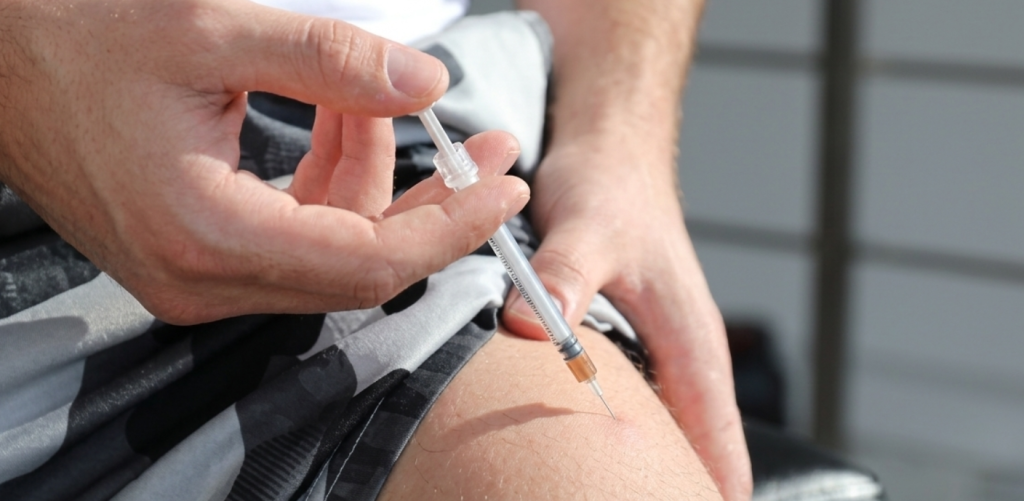
Tirzepatide is a subcutaneous injection. If you receive a prescription for this medication, your medical professional can help ensure you administer it properly.

Will my insurance cover compound tirzepatide?

Each insurance provider will have their own policies on compounded medications, so it’s important that you contact your provider to get the correct information for your situation.

Ready to work with medical professionals who understand the challenges of losing weight?

At LaSara Medical Group, we empathize with individuals’ distinct weight-loss challenges. Our convenient Telehealth consultations and coaching can help facilitate your path to a healthier weight by focusing on your weight loss goals and specific needs. Tirzepatide weight loss programs offered at LaSara Medical Group present a safe and effective avenue to bolster your weight loss endeavors. Want to learn more? Book a consultation with us today!

Managing Acne While Undergoing TRT

Our bodies are complicated machines that perform many functions to keep us energized, healthy, and strong. Androgen hormones, in particular, play an essential role in our well-being. One such hormone, testosterone, is responsible for many functions, including bone growth, sperm production, sex drive, and muscle size. As we age, our hormone levels change, and testosterone production often declines.

To avoid unpleasant side effects of low testosterone, many individuals choose to undergo testosterone replacement therapy with the help of their healthcare professional. While testosterone therapy has numerous desirable benefits, it also has potential side effects, one of which is mild and severe acne.

The relationship between testosterone replacement therapy and acne is highly personal and will depend on the individual’s response to the hormones. Some people will experience acne only during the initial period of their body’s adjustment to the therapy. While others will have a more extended acne period lasting anywhere from 6-12 months. Others yet will have acne the entire time they are receiving TRT. Regardless of your experience with acne, there are specific strategies you can use to manage acne breakouts.

Testosterone Replacement Therapy Quick Look

Testosterone is a sex hormone naturally produced by the body and is essential for men’s health. Testosterone levels are usually at their peak in adolescence and early adulthood and then begin to decline with age, leading to hypogonadism. This condition occurs when the body’s sex glands produce little or no hormones. Low testosterone levels can result in potential side effects like:

  • Low sex drive
  • Erectile dysfunction
  • Muscle wasting
  • Depression
  • Irritability
  • Fatigue

Optimizing testosterone levels can benefit men of any age, as it is an essential component of men’s health. Testosterone replacement therapy (TRT), like the one offered at LaSara Medical Group, can help regulate testosterone levels in your body. TRT injections, gels, or patches gradually release testosterone into your system, helping you achieve your desired results with minimal side effects. One such side effect, however, can prove bothersome and can affect your self-esteem and confidence – acne.

What is Acne?

Acne is a skin condition most often associated with teenage years, although adult acne is also common. Acne is a common side effect in individuals using testosterone replacement therapy and can last anywhere from a few weeks to the entire duration of TRT. Here are the most common causes of different types of acne like pimples, blackheads, cystic acne, and whiteheads:

  • Clogged Pores: When hair follicles become obstructed due to the accumulation of sebum and dead skin cells, it can create an ideal environment for bacteria build-up, resulting in acne.
  • Sebaceous Glands: Sebaceous glands can be a cause of acne problems. They produce sebum, an oily substance that lubricates the skin, but they can also produce too much skin oil, resulting in acne.
  • Inflammation: When bacteria begin forming in clogged pores, they can trigger the body’s inflammatory response, resulting in red and swollen pimples.

What is The Relationship Between TRT and Acne?

Several factors could be at play when it comes to the relationship between TRT and acne:

  1. Increased Sebum Production: Testosterone could stimulate the sebaceous glands to produce more sebum. Sebum is essential for skin health because it keeps it moisturized. However, elevated sebum production can lead to oily skin and clogged hair follicles, resulting in acne.
  2. Hormonal Imbalances: TRT can disrupt the delicate hormonal balance in your body. A rapid increase in testosterone could lead to “steroid acne.” This type of hormonal acne is caused by hormonal imbalances and can affect the face, chest, back, and shoulders.
  3. Individualized Causes: The relationship between TRT and acne is highly individualized. Genetic predispositions, pre-existing skin conditions, hormone levels prior to TRT, and specific methods and dosages of testosterone replacement could all play a role in acne development.

Managing Acne During TRT

Acne can manifest in various forms, such as whiteheads, blackheads, papules, pustules, nodules, and cystic acne. Understanding these variations is essential for finding the right acne treatment. Treating acne associated with TRT will require an individualized approach that takes into account the visible symptoms of your acne as well as the underlying hormonal imbalances.

Here are some steps you can follow to address your acne concerns:

  • Consult a Dermatologist: If you are experiencing acne during your TRT treatment, the best thing to do is to consult with your dermatologist. Dermatologists specialize in skin conditions and can help you determine the underlying factors contributing to your acne.
  • Benzoyl Peroxide: Benzoyl peroxide can help kill acne-causing bacteria and reduce inflammation. It is available in over-the-counter and prescription-strength formulations.
  • Accutane: Accutane, or isotretinoin, is a popular prescription treatment for acne. It is most commonly used to treat cystic acne, a severe form of acne that can cause scarring.
  • Oral Contraceptives: Oral contraceptives can help regulate hormones and improve acne. This treatment option, however, is generally reserved only for females.
  • Salicylic Acid: Topical treatments like salicylic acid help exfoliate the skin, unclog pores, and prevent the buildup of dead skin cells within hair follicles. This can help prevent acne.
  • Retinoids: Topical retinoids, like tretinoin and adapalene, can help improve cellular regeneration and prevent the formation of acne lesions.
  • Skincare Products: Appropriate skincare products like creams, face wash, and sunscreen could all help maintain healthy skin and help minimize the appearance of acne. Consult your dermatologist to find products best suited to your needs.

TRT and Acne at LaSara Medical Group

At LaSara Medical Group, we understand the unique challenges faced by men and women. With offices in Los Angeles, Orange County, and San Diego, our highest priority is to help you feel comfortable and confident. If you are experiencing acne during your testosterone replacement treatment, our knowledgeable providers are here to help. During your initial consultation, our helpful healthcare providers will review the various side effects of TRT and recommend a personalized course of action for you. LaSara Medical Group serves Los Angeles, San Diego, and Orange County and also provides Telemedicine services to eligible clients. Call us today to find out if TRT is right for you!

SARMS vs. TRT – What You Need to Know

SARMS vs. TRT: Benefits, Differences, and Uses

If you are serious about your quest to improve your overall health and physical form, you are probably already aware of additional ways you could enhance your overall performance and build lean muscle. Selective Androgen Receptor Modulators (SARMs) and Testosterone Replacement Therapy (TRT) are two tools used to regulate hormones, particularly testosterone. While SARMs and TRT are both helpful in muscle building, they also come with their own sets of benefits and potential adverse effects to consider. Explore the mechanisms behind both, as well as their uses, benefits, and other considerations – all to help you decide which option is best for you!

What is Testosterone?

Before deciding which helpful tool is right for your wellness journey, it is important to understand how testosterone and low testosterone levels affect your body. Testosterone is a hormone that naturally occurs in your body. It is predominantly produced in the testicles and provides numerous anabolic effects. Low testosterone levels can bring about unwanted side effects like:

  • Erectile dysfunction
  • Muscle wasting
  • Urinary problems
  • Low sex drive
  • Depression
  • Irritability
  • Fatigue

Natural testosterone production is usually at its peak in adolescence and early adulthood and then begins declining gradually. Men of any age can benefit from optimizing their testosterone levels, as it is an important component that could help maintain:

  • Good bone density
  • Lean muscle mass retention
  • Muscle growth
  • Sex drive
  • Sperm count
  • Red blood cell production
  • Weightloss
  • Lowered LDL and HDL cholesterol
  • Facial and body hair

What is TRT?

Testosterone replacement therapy (TRT), like the one offered at LaSara Medical Group, is a therapy that can be offered to individuals experiencing negative effects of low testosterone levels. Testosterone replacement therapy gradually releases testosterone into your system, helping you achieve your desired results with minimal side effects.

Many patients report seeing improvements within one to three weeks after initial treatment. However, your exact results will depend on your specific case. The helpful providers at LaSara Medical Group will be able to advise you on when you can expect to see results during your first appointment.

At LaSara Medical Group, TRT is available through TRT injections, gels, or patches.

What are the Potential Side Effects of TRT?

Testosterone replacement therapy is a generally safe and FDA-approved treatment for men with low testosterone levels. However, some conditions could be made worse by testosterone replacement therapy, so it is important to consult your physician before starting treatment. Some risks associated with testosterone replacement therapy include worsening sleep apnea, enlarged breasts, limited sperm production, and acne. Additionally, because TRT could affect your estrogen levels, it is possible to experience some mood changes. You can always talk to your medical provider to find out more about TRT safety and its long-term effects.

What Are SARMS?

Elective androgen receptor modulators (SARMs) are a class of compounds that can selectively target and activate androgen receptors in specific tissues like bones and muscles. SARMs were first developed in the 1990s as a potential treatment for conditions such as muscle wasting, osteoporosis, and hypogonadism. However, because of their anabolic properties, they have also been used by athletes and bodybuilders as performance-enhancing drugs.

SARMs work similarly to anabolic steroids but are potentially much safer and more effective because they can have a higher selectivity for the androgen receptors in muscles and bones while minimizing interaction with androgen receptors in the prostate and skin.

While modern healthcare does not yet fully understand how SARMs work, it is believed that they work by increasing protein synthesis and reducing protein breakdown in muscles. This can help increase overall muscle mass, stimulate bone formation, and improve athletic performance.

What are the Different Types of SARMs?

When it comes to SARMs, you have a few different options: Ostarine, Ligandrol, Andarine, and Cardarine. Here is a breakdown of each:

  • Ostarine (MK-2866): Ostarine is one of the most well-known SARMs and is usually used for muscle-building and fat-burning.
  • Andarine (S-4): Andarine is a SARM known for its fat-burning properties. It is also efficient at increasing muscle mass and strength.
  • Ligandrol (LGD-4033): Ligandrol is another popular SARM famous for its anabolic properties. It works great for increasing muscle mass and strength.
  • Cardarine (GW-501516): Cardarine is not technically a SARM, but is often grouped with SARMs because of its similar effects. It is often used to help enhance endurance and improve fat burning.

Do SARMs Have Potential Side Effects of SARMs?

SARMs are generally considered a safe option for providing, with minimal side effects. There are, however, a few things to keep in mind:

  • Mood Changes: Some SARM users experience changes in mood and can feel an increase in aggression or irritability.
  • Testosterone Suppression: SARMs could suppress natural testosterone production, which can lead to a decrease in libido, erectile dysfunction, and other symptoms of low testosterone.
  • Cardiovascular Health: SARMs could also affect cardiovascular health and potentially lead to an increased risk of heart disease and stroke.
  • Liver Toxicity: Some SARMs have been shown to increase instances of liver toxicity. However, that side effect is mostly associated with high doses of SARMs.

What is Better: SARMs or TRT

Working out and eating healthy are no longer the only options for improving overall health and wellness. There are many supplements, peptides, and therapies can help you achieve your fitness goals. Whether your goal is fat loss, bulking, reducing body fat, or improving your athletic performance, the use of SARMs or TRT could help you get there, without the use of outdated anabolic steroids like anavar.

While the two approaches have benefits and downsides, both are considered generally safe. The best way to choose the option that is right for you is to have a consultation with a knowledgeable medical provider.

The first step is to schedule a new patient health assessment with LaSara Medical Group. During the appointment, our providers will perform an in-depth assessment of your symptoms. After the assessment, we perform a simple blood test to check your overall physical wellness and check health markers to ensure you can safely receive treatment.

TRT at LaSara Medical Group

At LaSara Medical Group, we understand the unique challenges men and women face. With offices in Los Angeles, Orange County, and San Diego, our highest priority is to help you get back to feeling healthy and confident. If you want to improve your stamina, muscle mass, sleep quality, and physique, you are a good candidate for Testosterone Replacement Therapy at LaSara Medical Group. Book a consultation with us today and allow us to guide you toward your goals. Our knowledgeable providers are here to help craft a personalized approach to help you achieve your desired results. LaSara Medical Group serves Los Angeles, San Diego, and Orange County and also provides Telemedicine services to eligible clients. Call us today to find out if TRT is right for you!

What You Need to Know About Semaglutide for Weightloss

If the combination of regular exercise and a healthy diet is not resulting in significant weight loss, it might be time to seek further assistance. Every weight loss journey is different and usually involves commitment and strategy. But while there aren’t any shortcuts to achieving your desired weight, some helpful tools can take the guesswork out of shedding pounds. LaSara Medical Group proudly offers Semaglutide injections as an FDA-approved treatment for weight management. If you are curious to uncover the exciting truth behind Semaglutide’s newfound popularity or have questions about its effectiveness, you have come to the right place. Keep reading below to find answers to the most frequently asked questions about Semaglutide. 

What is Semaglutide?

Semaglutide is currently getting recognized for its ability to help with weight loss, but not just a weight loss drug. It has been available on the market since 2017, and people were initially using Semaglutide as a medication for type 2 diabetes under the brand name Ozempic. However, prescribers quickly realized that Semaglutide resulted in weight loss in diabetic patients, so it was sent into FDA trials to be approved for weight loss therapy. 

Since then, Semaglutide has been FDA-approved and clinically proven to be effective in helping clients lose weight. Semaglutide works by mimicking a hormone that naturally occurs in the body to help you lose weight in as little as a few weeks. So if you are looking to shed stubborn pounds, Semaglutide could help you get there. 

How Does Semaglutide Work?

Semaglutide belongs to a class of medications called glucagon-like peptide 1 receptor agonists, or GLP-1 receptor agonists for short. GLP 1 is a hormone produced by the body once it detects the presence of food in the stomach. This means that when you eat, your body starts producing GLP-1 and sends it through the receptors in the pancreas, the heart, the intestines, and the brain, suggesting that you have just eaten. 

Medications that belong to the GLP-1 group mimic the hormone that is naturally produced by the body and help increase insulin levels, decrease blood sugar, and promote the feeling of fullness. Semaglutide is 94% similar to the GLP-1 produced by our body and, when administered by injection, will circulate through the body in the same way as the natural hormone – slowing down gastric emptying and allowing you to feel fuller for longer and with fewer calories. 

How Soon Can You See Results?

There are no treatments that can provide immediate weight loss. However, according to reports from happy customers, you can expect to see weight loss results from Semaglutide within a few weeks. According to a study in The New England Journal of Medicine, you can experience a more than 2% reduction in your body weight after the first 4 weeks of taking Semaglutide. In this study, the patients lost an average of 14.9% of their body weight during the 68 weeks of taking Semaglutide. Of course, your specific results will depend on your genetics, overall health, and exercise regime. The same studies have shown that many patients were able to lose up to 28% of their body weight. That is why LaSara Medical Group’s knowledgeable staff is ready to advise you on your expected weight loss trajectory at your consultation appointment. 

Who is a Good Candidate for Semaglutide Treatment?

If you want to look and feel your best, innovative treatments like Semaglutide could push your body to get there. Finding out if you are a good candidate for Semaglutide treatments is easy. LaSara Medical Group’s skilled physicians can help you determine whether Semaglutude treatment is right for you. Generally, Semaglutide is an appropriate weight treatment for those who:

  • Have received an overweight or obesity diagnosis
  • Have been unsuccessful in losing weight with diet and exercise alone
  • Have a weight-related medical condition like high cholesterol, diabetes, or high blood pressure
  • If you have a body mass index of over 30, or BMI of 27 with a serious medical condition
  • Struggle with food cravings and are unable to sustain a healthy lifestyle 

Semaglutide is administered with a weekly injection. Your LaSara Medical Group provider will show you how to perform this easy subcutaneous injection in the comfort of your own home.

Semaglutide Benefits

Semaglutide is an extremely popular weight loss medication and is the acting ingredient in brand-name medications like Ozempic and Wegovy. Although Semaglutide is predominantly known for facilitating weight loss and treating type 2 diabetes and obesity, it has a long list of other benefits. Effects of Semaglutide include:

  • Increases Insulin levels
  • Decreases blood sugar levels
  • Slows down digestion
  • Reduces the amount on sugar released into the blood
  • Lowers risk of heart attack (in people with type 2 diabetes)
  • Lowers risk of stroke (in people with type 2 diabetes)
  • Reduces the chance of pre-diabetics becoming type 2 diabetic by 60%

Semaglutide is often combined with a healthy diet, lifestyle changes, and exercise for best results. 

Are There Side Effects?

Introducing a new substance to your body can be scary to some people. Still, it helps to know that since Semaglutide is so similar to the body’s hormone, it is not likely to cause any serious side effects. You will be pleased to find out that participants in Semaglutide clinical trials reported only mild side effects that diminished over time as their bodies got used to Semaglutide and were not difficult to manage. Some mild common side effects may include vomiting, diarrhea, constipation, and nausea. More serious side effects can include skin rash and heart palpitations. 

Semaglutide: Weight Loss Medication at LaSara Medical Group

At LaSara Medical Group, we understand the unique challenges faced by men and women. We service patients all over the USA and offer in person care with offices in Los Angeles, Orange County, and San Diego. Our highest priority is to help you get back to feeling healthy and confident. If you are ready to see if Semaglutide is the missing piece in your weight loss journey, book a consultation with us today and allow us to guide you toward your goals. Our knowledgeable providers are here to help craft a personalized approach to help you achieve your desired results. LaSara Medical Group serves Los Angeles, San Diego, and Orange County and also provides Telemedicine services to eligible clients to buy Semaglutide online. Call us today to find out if Semaglutide treatment for weight loss is right for you!


Schedule Free Consultation to be Evaluated

Testosterone VS Steroids

Thousands of men experience the unwanted side effects of low testosterone, yet the subject is often considered taboo and, therefore, not adequately addressed. However, if you are unsatisfied with your overall health, want to improve your energy and fitness levels, get better sleep, promote muscle growth, and restore hair growth, you might benefit from external help balancing your hormone levels. Not all methods of raising your testosterone are equal, though, and some may prove to bring more risks than benefits. 

Recent healthcare advancements allow doctors to formulate an individually tailored hormone replacement therapy to help you achieve your goals. For example, testosterone replacement therapy (TRT) is a successful treatment for improving muscle mass, energy levels, sex drive, and overall quality of life. Testosterone is a naturally occurring steroid. Because of this, there might be confusion about the validity and safety of using recreational and illegal anabolic steroids to help you accomplish your goals. To settle your doubts once and for all, let us look at the similarities and differences between medically supervised testosterone replacement therapy (TRT) and recreational steroid use. 

What are Anabolic-Androgenic Steroids?

Anabolic steroids (or muscle-building steroids) are performance-enhancing drugs built from synthetic androgens (hormones that help develop and enhance male characteristics). Anabolic steroids are often combined with other chemicals that, in theory, should make steroids work better, but in reality, they could cause your body harm. Anabolic-androgenic steroids are illegal in the United States, so any steroid you might purchase on your own will not have the same purity and regulations as legally produced American pharmaceuticals. In addition, because a doctor does not prescribe recreational steroids, steroid users will often purchase a harmful combination of chemicals or incorrect high doses on the back market. 

The most popular reason for taking anabolic steroids is to achieve shortened recovery time between workouts, enhance athletic performance, and increase muscle mass. To accomplish this, bodybuilders or athletes will often take an increased amount of steroids, causing their body’s testosterone levels to go into overdrive and create uncomfortable and often dangerous side effects like:

  • Roid rage (increase in aggressive behavior)
  • Breast development
  • Mood swings
  • Acne
  • Mental health disorders
  • Cardiovascular disease
  • Reduced sperm count
  • Liver cancer

The Myth of Steroid Success

Because illegal steroid use first came to light because of athlete use, there is an incorrect association linking steroids to strength, muscles, and health. Quite to the contrary, a recent study found that an estimated 37.5% of black market steroids contained pharmacological ingredients that were not mentioned on the label and thus could pose serious health risks. Medically unsupervised anabolic steroid use is unpredictable and unsafe and is certainly not a viable shortcut to hormonal enhancement. 

What is Testosterone?

Unlike anabolic steroids, testosterone is a naturally occurring hormone that is predominantly produced in the testicles and is sometimes called the “male sex hormone.” Testosterone is an important component of men’s health and helps maintain the following:

  • good bone density 
  • muscle mass and strength 
  • sex drive
  • Sperm count
  • Red blood cell production
  • Fat distribution
  • Facial and body hair
  • Baldness

Levels of testosterone in the body are usually at their highest in adolescence and early adulthood and tend to decline gradually. However, men of any age can benefit from optimizing their testosterone levels. 

What Causes Low Testosterone Levels?

Levels of testosterone naturally decline with age. However, there could be other causes of low t levels. 

  • Hypogonadism is a disease that affects the pituitary gland or testicles and hampers your body’s ability to produce normal testosterone.
  • Chemotherapy
  • Radiation
  • Medical conditions like kidney disease and high cholesterol
  • Aids
  • Alcoholism
  • Liver cirrhosis
  • Environmental factors like exposure to microplastics

If you are experiencing symptoms of low testosterone, there are medically tested ways of getting your body back on track. Testosterone Replacement Therapy is an FDA-approved way to balance your hormone levels. You could benefit from balancing your hormone levels to accomplish peak performance for your body. Our experienced doctor staff at LaSara Medical Group likes to assess the complete picture of your health and consider things like your energy, fitness level, and sexual health. We then create a custom testosterone replacement plan to help optimize your hormone levels and help you achieve your overall goals. 

Regardless of the cause of your low testosterone, it is important to treat any hormonal imbalances as early as possible to avoid unwanted side effects of low testosterone. 

Testosterone Replacement Therapy

Testosterone replacement therapy (TRT), like the one offered at LaSara Medical Group, works alongside your body’s physiology to ensure no foreign activities can throw it off balance. After your initial consultation with our medical professional, which you can complete either in person or over a Telehealth appointment in all 50 states, you will be provided a customized testosterone therapy that you can administer yourself at home. Testosterone replacement therapy gradually releases testosterone into your system, helping you achieve your desired results with minimal side effects. If you want to improve your stamina, muscle mass, sleep quality, and physique, you are a good candidate for Testosterone Replacement Therapy at LaSara Medical Group.

Testosterone Replacement Therapy VS Steroids

TRT is designed to work with your body to restore your hormone levels to their optimal state. Medically prescribed testosterone replacement therapy can help relieve the following unwanted side effects of low t levels:

  • Low sex drive
  • Erectile dysfunction
  • Weight gain
  • Muscle loss
  • Depression
  • Irritability
  • Fatigue
  • Sleep apnea
  • Urinary problems

TRT is an efficient, easy, low-risk therapy that can help you feel more like yourself. On the other hand, steroid use can lead to steroid abuse and be unpredictable, unreliable, and sometimes dangerous. 

Testosterone Replacement Therapy at LaSara Medical Group

At LaSara Medical Group, we understand the unique challenges faced by men. With offices in Los Angeles, Orange County, and San Diego, our highest priority is to help you get back to feeling more like yourself. If you are experiencing deficiencies in sexual performance, muscle mass, strength, and concentration – Testosterone Replacement Therapy at LaSara Medical Group is right for you! Don’t fall prey to illegal and dangerous steroids or poor-quality testosterone products, supplements, and creams sourced from non-medical facilities. To find out more about clinically studied testosterone replacement therapy and if it is right for you, schedule a consultation with us today!

What Causes Cellulite

If you’ve ever noticed uneven, lumpy, and dimpled skin on your thighs, buttocks, abdomen, or arms, then you are already familiar with the word cellulite. Cellulite is a common skin condition caused by pockets of fat deposits that reside just beneath the surface of the skin. Although cellulite is a harmless condition and does not necessarily pose any health concerns, many people dislike cellulite’s cottage cheese-like appearance on the skin and prefer to eliminate it. 

If you are frustrated by the appearance of cellulite on parts of your body, you are not alone. Because of high demand, various companies and doctor’s offices offer various cellulite treatments. There are so many choices out there that it could be daunting to figure out which products and methods work and which are simply well-advertised. It would be great if there were magical cellulite creams that you could apply to your skin and have immediate results. Unfortunately, that is simply not how science works. This can only mean that it’s time to look at science-backed methods of reducing cellulite and figure out what works once and for all. 

A Closer Look at Cellulite

Cellulite occurs when pockets of fat get in between the fibrous connective cords that hold the skin and the underlying muscles together. The long cords pull the skin down towards the muscle while the fat cells push up against the skin, creating a dimpled look.  

Cellulite most often occurs on the thighs and buttocks but can also appear on the abdomen, breasts, and arms. You can see mild cellulite by pinching a portion of your skin between your fingers and noticing dimpled or bumpy skin. More severe cellulite will appear as peaks and valleys below the skin’s surface. People often describe cellulite as having an orange peel or cottage cheese appearance. 

Cellulite is more common in women than in men. In fact, most women will develop some form of cellulite after hitting puberty. Cellulite is also more likely to appear with age when collagen production slows down, and the skin loses its elasticity. 

What Causes Cellulite?

Cellulite is caused by subcutaneous fat buildup. However, some individuals are more likely to develop cellulite than others. Your genes, body fat percentage, age, and skin thickness can all influence the amount of cellulite you will develop and how noticeable it will be. Here are some other factors that can encourage the development of cellulite:

  • Weight gain
  • Poor diet
  • Unhealthy lifestyle
  • Genetics
  • Accumulation of toxins
  • Pregnancy
  • Inactivity
  • Menopause
  • Hormones (High levels of estrogen cause low production of collagen, exacerbating the appearance of cellulite)

Between 80% and 90% of women have gone through puberty, and up to 10% of men have cellulite. 

Are There Treatments for Cellulite?

Although cellulite is a common condition that affects many people, it can be difficult to eliminate and can become quite frustrating. Dermatologists recommend several options for people looking to improve the appearance of cellulite. Regular exercise can help you increase your muscle mass which can flatten cellulite and significantly reduce its appearance. Exercises like running, cycling, and resistance training can also increase blood flow to particular areas and help speed up weight loss. In addition to exercising, keeping a healthy diet can help keep cellulite at bay. High-calorie diets that are heavy in carbohydrates, fats, preservatives, and salt are likely to encourage cellulite formation and make it harder to diminish its appearance.

If you’ve tried exercising and keeping a healthy diet and are not seeing the results you want, the following more advanced cellulite treatments could be right for you:

  • Laser treatments to help firm the skin
  • Deep massage to help plump up the skin
  • Creams and lotions containing retinol or caffeine
  • Mesotherapy (needle-injected FDA-approved drugs used for the treatment of cellulite)
  • Subcision (a needle is inserted under the skin to break up tough bands that are causing cellulite)
  • Liposuction could be helpful in removing fat cells. However, it has not been proven to target cellulite effectively. 
  • Body contouring treatments 
  • Vacuum-assisted precise tissue release
  • Radiofrequency, ultrasound, or infrared lights can help heat up the skin and reduce the appearance of cellulite.

While all of these treatments have the ability to address your cellulite concerns, many can be painful, cause bruising or discoloration, or require downtime. If you would like to improve your overall health and wellness but are not ready for plastic surgery, treatments like radiofrequency and acoustic wave therapy (shockwave therapy) could be the right solution for you. At LaSara Medical Group, we offer an effective and noninvasive treatment for cellulite – extracorporeal-focused shockwave therapy. 

Shockwave Therapy

Shockwave therapy works by delivering singular acoustic waves to the treatment area to create micro-tears in connective tissue and break down fatty deposits. Shockwave therapy (ESWT) can help improve skin elasticity, promote collagen production, and reduce the appearance of cellulite. Additionally, shockwave therapy treatments, like the ones offered at LaSara Medical Group, help stimulate the body’s natural healing process and encourage collagen production to create firmer, more lifted, and smoother skin. 

Ultimately, shockwave therapy is an easy and non-invasive way to help reduce the appearance of cellulite and can provide the following additional benefits:

  • No scarring
  • Diminishes the appearance of cellulite dimples
  • No risk of infection
  • Provide long-lasting results
  • No downtime
  • Affordable

At your shockwave therapy appointment, your healthcare provider will use a handheld device to direct acoustic pulses (sound waves) into the layers of fat located directly beneath your skin. This will produce miniature injuries in the area and promote collagen production, healing, and tightening of the skin. 

Boost Your Confidence and Improve Your Skin

At LaSara Medical Group, we understand that cellulite can be a cosmetic annoyance as well as a confidence dampener. Although there are still conflicting opinions on the exact cause of cellulite, we are happy to emphasize that there are many treatments that can get you back to feeling more like yourself. Our experienced medical staff at LaSara Medical is excited to offer non-invasive, easy cellulite treatments that are sure to provide you with visible, long-lasting results. If you are interested in finding out whether shockwave therapy for cellulite is right for you, don’t hesitate to contact us today. With offices in Los Angeles, Orange County, and San Diego, our highest priority is to help you get back to feeling more like yourself! Ask us about peptide protocols for fat loss today.

Does Testosterone Increase Penis Size?

It is no surprise that the topic of penis size can take up significant real estate in most men’s minds. But although genital satisfaction is an essential aspect of both psychosocial and sexual health, a sizable portion of men report being unhappy with their genitalia. A recent study revealed that as many as 66% of men are unsatisfied with some physical aspect of their undercarriage. So it is no wonder that the marketplace is saturated with products and services promising to increase penile length. From miracle supplements to surgery and gimmicky devices, there is no shortage of questionable offerings that claim to help change the proportions of your nether region. One such product, testosterone, has been especially popular in the male sexual health arena. But is this sex hormone actually effective at increasing penile size? Let’s find out. 

Penis Size Facts and Fiction

Although some men would like to change the physical appearance of their penis, the idea of an “average penis size” is somewhat debatable. According to several studies, the average length of a hard (erect) penis is 6 inches, while a soft (flaccid penis) is about 3.6 inches long. The average penis girth of a flaccid penis is reported as 3.66 inches, while the girth of an erect penis is 4.59 inches. If you are wondering what constitutes a “small penis,” here are the stats. If the penile length deviates by more than 2.5 inches from the average penis length, it is considered a micropenis. In addition to the debate about what constitutes a regular penis size, a few other penis-related facts could stand to be clarified. 

For example, despite what you may have heard, things like foot size, nose size, and weight do not influence or accurately predict penis size. It is somewhat true that race and ethnicity could play a role in penis size, but the connection is not completely straightforward. For example, a study on average penis length showed no significant difference between Black men, Latin men, Asian men, and White men. 

Another popular belief suggests that a man’s penis could either be a “grower” or a “shower” or that a man’s flaccid penis can grow “more than others” during an erection. A study in the International Journal of Impotence Research noted that smaller flaccid penises did grow more than larger flaccid penises. However, both groups averaged approximately 6 inches in length while erect, showing that the size of a flaccid penis is not a good indication of its erect size. In addition, the study pointed out that penis size is not constant. For example, penises can shrink in the cold to conserve heat or become smaller with age. 

What Can Influence Penis Size?

Penis growth is predominantly influenced by genetics and by levels of testosterone in your body during puberty. During puberty, a group of sex hormones called androgens plays a role in reproductive health and body development. After your body has gone through puberty, there aren’t many things that could alter the final result. During puberty, your body experiences a surge of testosterone, a sex hormone produced in the testicles in men and ovaries in women. 

Testosterone is also responsible for many secondary sex-related characteristics like body hair growth and the development of muscles. It is also essential for the production of sperm. The surge of testosterone associated with puberty usually occurs between the ages of 10 and 14. The penis may continue to grow until the age of 21, but after that, it is considered established and will not experience any future enlargement. 

Role of Testosterone After Puberty

Testosterone production peaks during puberty and starts to decline after the age of 30. In addition to influencing penis size during puberty, testosterone plays many other important roles, like red blood cell production, fat distribution, and bone health. Here are a few other areas of men’s health influenced by testosterone: 

  • Sperm production
  • Metabolism
  • Muscle mass and strength
  • Sex drive, sex life, and sexual wellness
  • Heart health
  • Mood and behavior
  • Energy

The Impact of Low Testosterone Levels on Men

Although a natural tapering off of testosterone is to be expected after the age of 30, men can start experiencing negative side effects if their testosterone levels dip too low. Undesirable symptoms produced by low testosterone levels in men include: 

  • Decreased sex drive
  • Depression
  • Moodiness
  • Low energy
  • Less body hair
  • Thinner bones
  • Weight gain
  • Erectile dysfunction
  • Poor sleep
  • Loss of muscle mass

What Causes Low Testosterone Levels?

When the sex glands produce little or no hormones, the condition hypogonadism is likely to occur. Hypogonadism is one of the reasons your body may not be producing enough testosterone. Other circumstances that could cause hormone levels to drop include chemotherapy, radiation, and chronic health conditions like AIDS, kidney disease, alcoholism, and liver cirrhosis can negatively impact testosterone levels. Additionally, environmental pressures and chronic exposure to microplastics can decrease testosterone levels.

If you are experiencing the adverse effects of low testosterone levels or want to check the status of your body’s testosterone production, you can schedule a simple blood test. However, having “normal hormone levels” for your age may not count for much. At LaSara Medical, we like to look at the full picture and assess your energy levels, fitness levels, and sexual health. We then ensure that we are able to optimize your hormone levels to help you achieve your overall goals. 

Additionally, low testosterone levels have been on the rise amongst younger men, and men as young as 22-30 years old have been seeking testosterone treatments. It is especially important to treat hormonal imbalances that occur at an earlier age because low testosterone levels in younger patients could be accompanied by depression and anxiety. 

What is Testosterone Therapy?

Testosterone replacement therapy works by providing the body with additional testosterone through skin patches, topical gels, or injections. Testosterone therapy replacement (TRT) injections and gels, like ones prescribed by LaSara Medical Group’s Medical Director, can help slow the many unwanted effects of low testosterone and the aging process. Testosterone replacement therapy from LaSara Medical Group is conveniently available through in-person appointments as well as Telehealth appointments in all 50 states. 

Benefits of Testosterone Treatment include:

  • Reduces body fat
  • Boosts sex drive
  • Help erectile dysfunction
  • Better overall sexual function
  • Increases erection frequency, strength, and duration
  • Promotes strength and muscle mass
  • Increases metabolism
  • Increases sperm production
  • Promotes facial and body hair growth (including pubic hair)
  • Changes fat distribution
  • Increases bone density
  • Increases red blood cells production

Does Testosterone Therapy Increase Penis Size?

There is no scientific evidence that testosterone increase can result in penile growth after puberty or increase the size of a micropenis. Although Testosterone Replacement Therapy (TRT) does not create penis enlargement, it has many other coveted benefits. Men, especially, can benefit from counteracting a hormonal imbalance and getting their lives and sexual health back on track. The goal of Testosterone Replacement Therapy is to optimize your body’s natural hormone levels and to get you back to operating at your peak. This means more energy, better sleep, healthier weight, optimal penis blood flow, and better erections

Testosterone Replacement Therapy at LaSara Medical Group

Testosterone Replacement Therapy has many exceptional benefits for men. If your goal is to experience a better sex drive, increased sperm production and better sperm count, stronger bones, and improved muscle mass, make a consultation appointment with LaSara Medical Group today. 

At LaSara Medical Group, we understand the unique challenges faced by men. With offices in Los Angeles, Orange County, and San Diego, our highest priority is to help you get back to feeling more like yourself. If you’re tired of poor-quality testosterone products sourced from non-medical facilities or supplements with disappointing results, come to experience LaSara Medical Group’s innovative treatments for hormonal imbalances. To find out more about testosterone replacement therapy and if it is right for you, schedule a consultation with us today!

Shockwave Therapy for ED At Home: Do Home Shockwave Machines Work?

If you have erectile dysfunction and you are seeking help to overcome it, be prepared to be subjected to the many scams claiming to “cure” or “reverse” your ED.

Sadly, we live in a world where we can no longer take all doctors for their word. But we also live in a world where information and research sit just a few clicks away. It is LaSara Medical Group’s advice that you do your due diligence to fact check the many claims that revolve around treating erectile dysfunction

In this blog, we will use facts to shed light on the most recent and growing scam in Men’s Sexual Health… that be the scam of “at home ED treatment devices” or “at home shockwave device for ED treatment.”

If after reading this content you are stimulated with questions, I encourage you to contact LaSara Medical Group. We offer our erectile dysfunction treatments in Los Angeles, Orange County, and San Diego. 

What are the false claims about shockwave therapy home treatment devices?

  1. At home treatment devices are the same as a shockwave device used in a medical clinic
  2. The research of shockwave therapy used the same energy as “at home treatment devices”
  3. Acoustic wave devices are the same as shockwave devices 

Fact Check: At home treatment devices are the same as a shockwave device used in a medical clinic.

The answer is NO. A very firm NO. At home devices are most definitely not the same as a true shockwave device used by physicians in a clinical and research setting.

The first problem with this statement is shockwave devices are Class III medical devices that come with FDA regulations which control the distribution and use of these devices. In order to acquire a real shockwave device for medical treatment, you must first be a licensed physician. 

Shockwave as an energy is an amazing tool for many medical problems, but it also holds a lot of power and can cause harm to the body if used incorrectly. In the simplest explanation, there are three levels of intensity for shockwaves – low, moderate, and high. Each of these levels triggers a different response in the body. The lower the setting the more therapeutic the response and the higher the setting the more destructive. Low intensity draws nutrients and blood flow to the treatment area, while high intensity can be used to break down kidney stones or other calcification.

For this reason, it is nearly impossible to acquire or sell a real shockwave device to the general public. Any device for at home use that claims to be a real shockwave is nothing more than a lie.

In fact, one of the at home treatment device providers who sells their device for over $1,000 has simply private labeled an ultrasound device that can be purchased for $150 from Walmart. Here’s the product: https://www.walmart.com/ip/US-PRO-2000-DU3035-With-Free-Subzero-Pain-Relief-Roll-On-Gel-Home-use-Drug-Free-Pain-Relief-for-Personal-Care/200058601

Fact Check: The research of shockwave therapy used the same energy as the “at home treatment devices.”

Again… NO. Sadly, each at home treatment device is being presented with the research of shockwave therapy, but at home devices do not emit real shockwaves. Shockwave therapy was originally studied for treating ED in 2010. Dr. Yoram Vardi of Israel first studied the use of a “focused shockwave” to reverse the vascular decay in the penis.  This focused energy penetrates the skin of the penis with repeated single shocks. This energy is what triggers the growth of new blood vessels and the regeneration of soft tissue inside the Corpus Cavernosum. The shockwave energy is typically measured between .1 and .25 mj/mm2. These energy levels are considered low-intensity extracorporeal shockwave therapy.

To date, no other type of energy has been used in the research of treating vasculogenic erectile dysfunction.

If you are sitting at home reading this blog and holding your at home treatment device, please try to identify a setting that allows you to measure the intensity of that energy with mj/mm2. Unfortunately, you will not be able to because shockwave devices are not sold to the general public because it is unsafe and against the law. Plus, they cost about $50,000.

Fact Check: Acoustic wave devices are the same as shockwave devices.

No. This is not true. If you take the time to dig a little deeper into the differences of acoustic wave therapy vs. shockwave therapy, you will find two truths; 1) they are two different types of energy and 2) the therapeutic response the body experiences with each energy is drastically different.

Furthermore, in every piece of research there is a section called “materials and methods.” This section will name the exact device used in the research and even list the level of energy used during treatment. On page 6 of this metanalysis, 134018.pdf, you will find the great majority of studies used a focused shockwave device. Not a single one of them used an ultrasound or acoustic wave device regardless of what the “at home device” companies claim. If you have purchased an at home device, you have experienced a bait and switch.  

To learn more, you can visit this link to watch a short video that details the differences of energy: https://www.lasara.com/about/why-LaSara-vs-the-competition

Or feel free to read The Art of Shockwave: Physics and Technology. This independent review speaks to the differences of energy and why it is important. 133854.pdf.

At LaSara Medical Group, we understand the frustration of experiencing erectile dysfunction and having to sift through the copious amounts of false advertising and treatments that do not work.

At LaSara Medical Group in Los Angeles, Tustin, and Encinitas, it is our goal to provide you an honest and fore right experience from start to finish. If you are suffering with erectile dysfunction, I encourage you to schedule a free phone consultation so we can dive into your medical history to determine the correct treatment for you.

How to Talk to Your Significant Other about ED

How to Talk to Your Significant Other about ED

If you are seeking ED therapy in Beverly Hills and the greater Los Angeles, san Diego, or Orange County areas, you likely may be hesitant to address this topic with your significant other. The topic of intimacy in the bedroom can be a tricky subject to talk about, especially if things aren’t going exactly as expected. Addressing erectile dysfunction can be awkward and uncomfortable for not only men but for the couple as a whole. This is a problem that has as much of an impact on the relationship as it does the individual. So, is there a proper way to approach this topic?

It’s Not Because He’s Not Turned On

Men may feel a sense of embarrassment if they cannot perform in the bedroom, and women may instantly feel self-conscious and blame themselves for not being attractive enough. “Trying harder” to work through your problem is not going to fix anything. It is important to note that ED is an unfortunate reality that many men face, but no one should be blamed for their medical condition.

Be Open and Honest

Pretending that ED doesn’t exist in your relationship is not going to help solve the problem. It is important to have an open, honest relationship regarding ED and what can be done to solve it. Talk to your partner about seeking ED therapy from one of LaSara’s erectile dysfunction centers in Beverly Hills and the greater Los Angeles, San Diego, or Orange County areas.

Keep in mind that ED doesn’t need to define the relationship, and it is only a speed bump that can be overcome! If you are determined to find a solution to your ED, contact LaSara Medical Group to get started! We have options including acoustic wave therapy for ED, treatment for angiogenesis in the penis, and other male enhancement therapy.