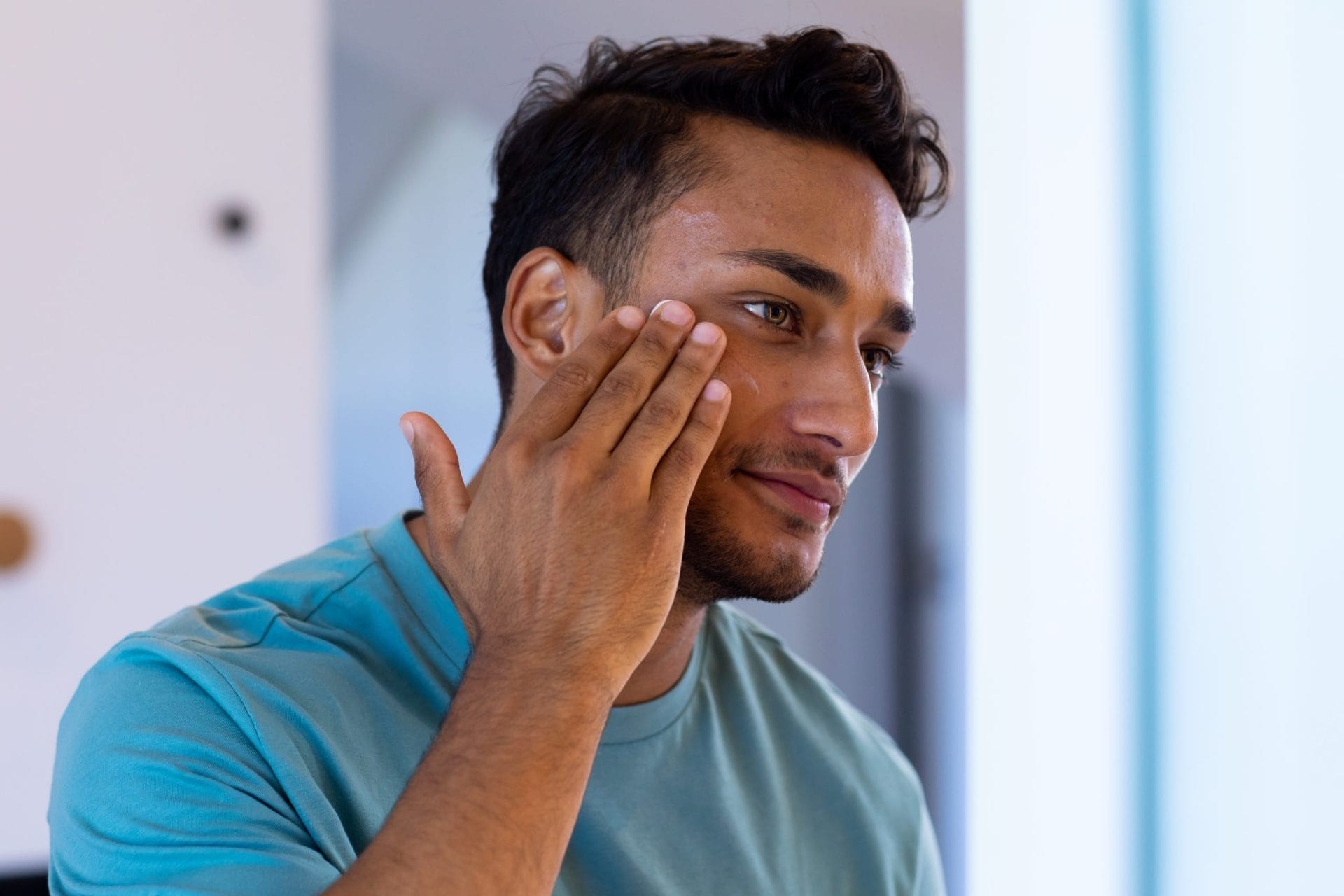


A few weeks into TRT your energy is back and the gym feels good again. Then your skin flares. Oily forehead, tender bumps along the jaw, breakouts creeping across your back and shoulders like you’re seventeen again.
Testosterone replacement therapy quick look
Testosterone replacement therapy, or TRT, adds testosterone back through injections, gels, or patches to bring a low level into a healthy range. When testosterone runs low, men can notice flat libido, erectile trouble, fatigue, low mood, and lost muscle. LaSara’s TRT program treats that deficiency under medical supervision, and acne is one of the possible side effects.
What is acne?
Acne forms when hair follicles clog with oil (sebum) and dead skin cells. Bacteria multiply in the blockage, and the area gets inflamed. That shows up as whiteheads, blackheads, papules, and deeper cystic bumps. It’s linked to the teenage years, but adults get it too, and a rise in testosterone can set it off.
Why does TRT cause acne?
Three factors are usually at work:
- More sebum. Testosterone stimulates the skin’s sebaceous glands to produce more oil. That extra sebum clogs follicles and feeds acne-causing bacteria. This is the main pathway from TRT to breakouts, and acne is a recognized effect of testosterone therapy (testosterone cypionate label).
- A hormonal shift. Starting or raising testosterone changes your hormonal balance, and a faster rise tends to provoke more of a skin reaction. You’ll sometimes see this called “steroid acne.” That label means acne linked to a rise in androgens like testosterone. It doesn’t mean you’re misusing anabolic steroids.
- Individual factors. Genetics, your skin history, your testosterone level before treatment, and your specific dose and delivery method all shape whether acne shows up and how much.
Back, chest, and shoulder acne on TRT
Body acne shows up where oil glands are densest: the back, chest, and shoulders. TRT can tip those areas over the edge. More sebum and faster skin-cell turnover clog follicles, and sweat, friction, and trapped heat from workouts and clothing give bacteria an easy home. “Bacne” often flares first in men who train hard.
Three things help:
- Shower soon after workouts to rinse off sweat and oil before they settle into pores.
- Use a benzoyl peroxide or salicylic acid body wash on the affected areas.
- Avoid tight synthetic clothing that traps sweat. Looser, breathable fabric gives pores room.
How to manage acne during TRT
Most TRT-related acne responds to the same proven topicals used for acne generally, and the strongest-evidence options are over the counter. The American Academy of Dermatology’s guidelines back benzoyl peroxide and topical retinoids as first-line treatments, with salicylic acid as a useful add-on (AAD acne guidelines).
| Option | How to use it | Notes |
|---|---|---|
| Benzoyl peroxide | Wash or leave-on gel; start a few times a week and build up | OTC; cuts acne bacteria; can bleach towels and clothing |
| Salicylic acid | Cleanser or toner on most days | OTC; unclogs pores and exfoliates |
| Topical retinoid (e.g. adapalene) | Pea-size amount at night; ease in to limit irritation; sunscreen by day | OTC adapalene or prescription strength; unclogs pores and calms inflammation |
| Review dose or delivery with your prescriber | Ask about your dose, injection frequency, or switching formulation | A clinical decision made with your provider |
If skincare isn’t enough, your dose, injection frequency, or formulation can sometimes be adjusted to ease breakouts. That’s a conversation with your prescriber.
Accutane (isotretinoin) and TRT
Isotretinoin, still widely known by the brand name Accutane, is a prescription medication for severe or cystic acne and for acne that hasn’t responded to standard oral and topical treatment (AAD acne guidelines). It’s powerful and tightly monitored, so a prescriber starts and manages it. If you’re on TRT, your testosterone provider and a dermatologist should coordinate care. Dosing is set individually by that prescriber.
How long does TRT acne last?
It varies. A rough picture:
- Some men clear within weeks.
- Many have breakouts for about 6 to 12 months as the body settles.
- Some keep acne for as long as they’re on treatment.
If a dose or delivery change is part of the plan, skin often improves in the weeks after. Stopping TRT tends to ease hormone-driven acne too, though that’s a decision to make with your provider.
TRT and acne at LaSara Medical Group
At LaSara, our providers review side effects like acne with you from the start. We have offices in Los Angeles, Orange County, and San Diego, plus telehealth for eligible patients. We look at your skin alongside your labs and your protocol, and adjust the plan where it makes sense.
Book a free consultation to talk through whether TRT is right for you and how we’d handle the skin side.
Frequently asked questions
Does TRT always cause acne?
No. Acne is a common side effect, but it doesn’t happen to everyone. How likely it is, and how bad, depends on the person, the dose, and your skin history.
Why do I get back acne on TRT?
Your back, chest, and shoulders have the densest oil glands, and TRT increases oil production there. Add sweat and friction from workouts and clothing, and those areas break out first. See the back, chest, and shoulder section above for what helps.
Can I take Accutane while on TRT?
Possibly. It’s a prescriber’s decision for severe or stubborn acne, and your TRT provider and a dermatologist should coordinate. Dosing is set individually by your prescriber.
Does acne go away after stopping TRT?
Often, yes. Because this acne is driven by the rise in testosterone, lowering the dose or stopping treatment tends to settle it. That’s a change to make with your provider. See the duration section above for what to expect.
The bottom line
TRT acne is common, usually temporary, and manageable. Most cases respond to benzoyl peroxide, salicylic acid, and a topical retinoid. For body breakouts, keep sweat and friction down. If that isn’t enough, your dose or delivery can be reviewed. You can feel good on treatment and keep your skin clear. Talk with a LaSara clinician about managing both.
About the medical reviewer
Mallory Jones, MSN, APRN, FNP-C, CWHS
Board-Certified Family Nurse Practitioner | LaSara Medical Group
Mallory Jones is a board-certified Family Nurse Practitioner with over 15 years of nursing experience and a clinical focus on hormone optimization, weight management, and preventative healthcare. Since becoming a Nurse Practitioner in 2015, she has gained extensive experience in primary care, urgent care, and telemedicine.
At LaSara Medical Group, Mallory specializes in men’s testosterone replacement therapy (TRT), women’s hormone replacement therapy (HRT), GLP-1 weight management, and peptide therapies. Her clinical approach emphasizes evidence-based treatments, individualized care plans, and ongoing patient monitoring to support long-term health and wellness.
Mallory holds a Master of Science in Nursing from Walden University and maintains board certification through the American Association of Nurse Practitioners (AANP), along with specialized certification in women’s health.
As a medical reviewer for LaSara, Mallory reviews educational content for clinical accuracy, helping ensure readers receive reliable, medically sound information about hormone health, weight management, and longevity treatments.
References
- Reynolds RV, Yeung H, Cheng CE, et al. Guidelines of care for the management of acne vulgaris. Journal of the American Academy of Dermatology. 2024;90(5):1006.e1-1006.e30. doi:10.1016/j.jaad.2023.12.017. https://doi.org/10.1016/j.jaad.2023.12.017
- DailyMed, U.S. National Library of Medicine. Testosterone Cypionate injection label. https://dailymed.nlm.nih.gov/dailymed/drugInfo.cfm?setid=f60c5520-b336-44a2-95d5-f274939fa595