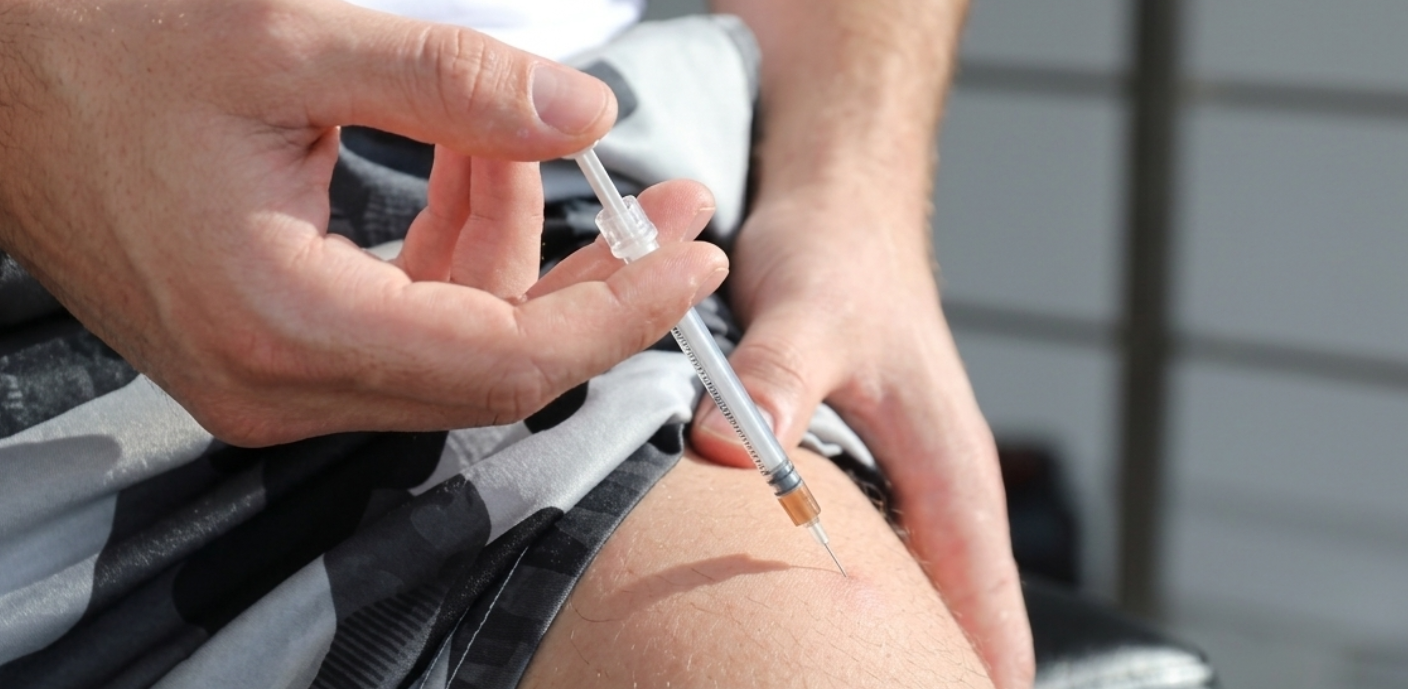
Sometimes the first sign that something is really off is pretty subtle; it’s waking up feeling like you’ve been hit by a truck, even after a full night’s sleep. Or maybe you find yourself struggling to finish workouts that used to feel like a breeze.
Sometimes the first sign that something is really off is pretty subtle; it’s waking up feeling like you’ve been hit by a truck, even after a full night’s sleep. Or maybe you find yourself struggling to finish workouts that used to feel like a breeze.
Or your motivation is just nowhere to be found, and your libido is in the gutter too. These symptoms can sometimes be associated with hormonal changes such as low testosterone (sometimes called low T).
Testosterone is one of the most important hormones in the male body, and boosting Testosterone is important because it affects your energy levels, your muscle development, your mood, bone strength, and your sex drive. When testosterone levels fall below the normal clinical range, symptoms may occur.
Being able to spot the symptoms early on can make a huge difference. A low testosterone symptoms checklist is a useful tool for men to start spotting patterns that might indicate a problem with their hormone levels.
And for a lot of men, getting the ball rolling by talking to an online testosterone therapy service is a great way to get evaluated without disrupting their lives.
What Is Low Testosterone, and Why Is It Such A Big Deal For Men’s Health?
Testosterone is the male sex hormone that does all sorts of critical stuff for the body. It helps build muscle, gives you energy, distributes fat, makes your bones strong, and keeps your sex drive healthy.
When your testosterone levels are where they’re supposed to be, you feel strong and in good shape, both physically and mentally.
As men get older, there is a gradual decrease in testosterone levels. Testosterone levels typically begin a gradual decline after about age 30. While it’s totally normal, some men find themselves dropping a lot faster than that, and that’s when symptoms start to show up.
When your body isn’t producing enough testosterone, and you have low testosterone levels, you’ll start to feel the effects: fatigue, mood swings, reduced libido, and muscle loss. Spotting these symptoms early on means you can get tested and treated before things get really bad.
What Causes Low Testosterone? Understanding the Risk Factors Every Man Should Know
Low testosterone, also known as testosterone deficiency or male hypogonadism, happens when the body doesn’t produce enough of the male sex hormone testosterone. This hormone plays a key role in everything from building muscle and maintaining bone density to supporting sex drive and energy levels.
When testosterone levels drop, it can set off a chain reaction of health issues that affect both your body and mind.
So, what puts you at risk for low testosterone? Age is one of the biggest factors; testosterone naturally declines as men get older, but some guys experience a much sharper drop than others.
Certain medical conditions, like obesity, diabetes, and chronic illnesses, can also interfere with how much testosterone your body makes. Injuries to the testicles, especially from trauma or surgery, can directly impact testosterone production as well.
Genetic conditions, such as Klinefelter syndrome (where a man is born with an extra X chromosome), can lead to primary hypogonadism, meaning the testicles themselves can’t produce enough hormone.
On the other hand, problems with the pituitary gland or hypothalamus, parts of the brain that control hormone production, can cause secondary hypogonadism, where the signal to make testosterone just isn’t getting through.
Lifestyle choices matter, too. Lack of physical activity, poor nutrition, high stress, and not getting enough sleep can all contribute to lower testosterone levels over time. Even certain medications and treatments, like chemotherapy or radiation therapy, can increase your risk.
Understanding these risk factors is crucial. The more you know about what can cause testosterone deficiency, the better equipped you’ll be to take action, whether that means making healthier choices, getting regular checkups, or talking to your doctor about hormone health.
Recognizing the signs and knowing your risks is the first step toward keeping your testosterone and your overall health in check.
Why Do So Many Men Miss the Symptoms of Low Testosterone?
One of the reasons it’s so tricky is that the symptoms of low testosterone creep up on you over time, and both the signs and symptoms can be subtle or easily overlooked. You might not even notice they’re there at all, because they start as just a bit of fatigue or a lack of motivation. But gradually, they start to add up, and many men only recognize symptoms after they’ve been present for some time.
Men often write off their symptoms as stress or just getting older, but the truth is, these symptoms are often the first sign that something bigger is going on with their hormone levels.
Awareness is everything when it comes to hormone health. The more you pay attention to how you’re feeling, your energy levels, your mood, how you’re performing physically and sexually, the quicker you’ll spot if there’s a problem.
What Symptoms Should You Be Looking Out For in a Low Testosterone Symptoms Checklist?
Sometimes it helps to see everything in one place. Instead of guessing whether a symptom matters, we can look at the bigger pattern. That is what makes a checklist useful: it turns vague concerns into something more concrete.
The easiest way to use this checklist is to mark every symptom that has been happening consistently for several weeks or longer. One symptom on its own may not mean much, but several symptoms showing up together can be a strong signal that it is time to consider testing. This kind of quick self-check is often the moment when things start to click.
Low Testosterone Symptoms Checklist: Have You Noticed Any of These?
Sexual health
Lower sex drive than usual
Fewer spontaneous or morning erections
Erectile dysfunction or more difficulty maintaining erections
Reduced sexual performance or satisfaction
Fertility concerns or changes in reproductive health
Physical health
Persistent fatigue even after enough sleep
Reduced muscle mass or strength
Increased body fat, especially around the midsection
Slower workout recovery or lower exercise performance
Difficulty maintaining physical fitness
Hair thinning or reduced body hair
Lower stamina during normal daily activities
Mental and emotional health
Mood swings or increased irritability
Feeling down, flat, or less motivated
Brain fog or trouble concentrating
Memory issues or reduced mental clarity
Lower confidence or a reduced sense of well-being
Less drive at work, in relationships, or in everyday life
Lifestyle pattern clues
Symptoms have lasted for months rather than days
Rest has not fixed the fatigue
Stress reduction has not fully improved the problem
Healthy habits are no longer producing the same results
Several symptoms seem to be happening at the same time
If you checked several of these boxes, it does not automatically mean you have low testosterone. What it does mean is that your symptoms may be worth taking seriously instead of brushing them off as normal aging or stress. That shift alone can be incredibly useful, because it moves the conversation from “something feels off” to “here is the pattern I’m noticing.”
A good rule of thumb is simple: the more categories your symptoms fall into, the more important it is to pay attention. For example, if low energy, reduced libido, and brain fog are all happening at once, that combination may deserve a closer look. It is usually the cluster, not just one isolated symptom, that tells the real story.
The 60-Second Rule That Makes This Checklist Worth Sharing
If you have three or more symptoms across sexual, physical, and mental health, and they have been going on for several weeks or longer, it may be time to seek professional testing. That is the kind of simple rule people remember, screenshot, and send to a friend. It turns a long article into one clear takeaway.
What Physical Symptoms Should You Be Looking Out For When It Comes To Low Testosterone?
Low testosterone can do some real damage to your physical health. Over time, you might find it harder to build and maintain strength, endurance, and overall fitness. Some men find that their bodies just don’t respond to exercise the way they used to.
Fatigue is probably the most common symptom; even with plenty of rest, men with low testosterone feel constantly tired and drained. That makes even the simplest tasks feel way more exhausting than they used to.
Other physical symptoms might include a decrease in body hair and facial hair, increased body fat, muscle loss, weight gain, reduced physical strength, thinning hair, decreased bone density, or just generally feeling like you’re in a really bad place when it comes to your physical health.
What Mental and Emotional Symptoms Indicate Low Testosterone?
Hormones play a huge role in how we feel, and testosterone is no exception. When your testosterone levels drop, you might start to notice some pretty weird stuff going on in your head. It’s often written off as stress or just burnout, but the truth is, these symptoms can be a sign that something bigger is going on with your hormone levels.
Mood swings and irritability are a couple of things that men with low testosterone commonly experience. Many also find themselves stuck in a rut, with feelings of sadness, low motivation, or reduced enthusiasm for things they once loved.
This can make a real mess of personal and professional relationships.
Brain fog, trouble concentrating, and memory issues can also come into play when hormone levels are out of whack. It’s just as important to keep an eye on these mental symptoms as it is to watch out for physical ones.
What Lifestyle and Health Factors Can Contribute to Low Testosterone Symptoms?
Low testosterone can come from a mix of all sorts of things. In many cases, it’s a combination of hormonal changes and lifestyle habits that’s to blame. Understanding what’s going on can be a big help in taking steps to get hormone health on track.
Getting older is probably the most common reason for a decline in testosterone levels, but younger men can also experience low testosterone due to factors like obesity and chronic illness.
Other factors like obesity, chronic stress, bad sleep quality, and not getting enough exercise can all play a role, too. And let’s be real, poor nutrition and unhealthy habits aren’t going to help matters much.
Because your weight can have such a big impact on hormone health, some guys figure it’s worth tackling both goals at once, like getting a telehealth weight loss plan and working with a telehealth doc to get it done.
If it’s clinically appropriate, they might even get some telehealth weight loss meds to help out. By tackling insulin resistance, sleep, and body composition all at once, telehealth can be a real help in supporting healthier testosterone patterns.
Certain medical conditions can mess with testosterone production, too. When these factors all come together, it can make it a lot more likely that you’ll end up with testosterone deficiency symptoms. But tackling lifestyle habits at the same time as you get medical care can often make a big difference.
When Should Someone Use a Low Testosterone Symptoms Checklist to Seek Testing?
One or two symptoms now and then don’t necessarily mean you’ve got low testosterone. But if you start noticing a bunch of symptoms all at the same time and they stick around for a while, it’s probably worth getting yourself checked out. A symptoms checklist can help you keep track of what’s going on.
If symptoms keep hanging around for months, it’s probably a good idea to get some medical attention. And don’t just write off persistent fatigue, changes in your sex life, or unexplained physical changes; those can really impact your quality of life.
If you’re burning out and can’t seem to get anything going, even though you’re eating right and exercising, it might be worth getting your hormone levels checked, too. When exercise, sleep, and nutrition aren’t doing the trick, hormone levels might be worth looking at. Testing can help determine if your testosterone is within normal levels.
How Is Low Testosterone Diagnosed After Symptoms Are Identified?
To diagnose low testosterone, your doc will want to do some lab tests. They’ll probably take blood tests to measure your testosterone levels, both your total testosterone and your free testosterone. Multiple blood tests may be needed to ensure accurate measurement, and they’ll want to do this in the morning because that’s when your levels tend to be highest.
They might need to do a couple of tests to make sure the results are accurate, just to make sure that any temporary fluctuations don’t mess up the diagnosis. These may include checking levels of luteinizing hormone and follicle-stimulating hormone, which help determine the underlying cause of low testosterone.
And your doc will also want to take a look at your symptoms along with the test results. A proper diagnosis is all about getting a complete picture of what’s going on with your hormones and your body.
What Treatment Options Are Available If Low Testosterone Is Confirmed?
If your blood test comes back and says you’ve got low testosterone, treatment is all about getting your hormone levels back up to where they should be. This is generally referred to as hormone therapy. The goal is to ease symptoms like fatigue, loss of libido, muscle loss, and mood swings while keeping hormone levels stable.
The most common approach to treatment is Testosterone Replacement Therapy (TRT) (a form of hormone therapy that involves the use of testosterone products), and that’s usually what people mean when they talk about testosterone replacement therapy.
TRT works by giving you testosterone when your body isn’t producing enough on its own. Many guys notice a big difference in their energy levels, libido, muscle strength, and overall vitality once their hormone levels get back to normal.
The best TRT is one that’s tailored to your individual needs and is monitored over time, so it stays both effective and safe.
LaSara online telehealth has a bunch of treatment options that are all designed to support testosterone health. Each treatment is prescribed based on your health goals, symptoms, and lab results. They’ve got a few different options that all work in slightly different ways to help get your hormone levels back on track.
Because the medication gets delivered straight into the bloodstream, it’s a good option for guys who need consistent hormone stabilization.
Testosterone cream for daily TRT is a topical testosterone therapy that you apply to your skin every day. The medication gets absorbed through your skin and gives you a steady release of testosterone to support energy, mood, libido, and muscle health. This option is popular because it lets you get the hormone support you need without having to get injections.
Enclomiphene is a medication that helps get your body to start producing more testosterone on its own rather than relying on external testosterone. It works by sending a signal to your brain to start cranking up hormone production, which can help boost testosterone levels while keeping fertility intact. This option might be a good fit for guys who want to naturally boost their testosterone levels.
Sometimes HCG is used alongside testosterone therapy, and it does a pretty good job at nudging the testes to get testosterone and sperm production back on track. This keeps reproductive health on the up and up, even when testosterone levels are being boosted.
When you’re getting treatment for low testosterone, you can bet that your doctor will have a plan in place to monitor your hormone levels. They’ll check your blood regularly, and if levels get out of whack, they’ll tweak your treatment plan to get things balanced out again. It’s all about finding that perfect balance between energy, mood, and overall health.
It’s important to seek expert treatment for low testosterone, as hormone therapy and testosterone products can carry potential risks. There is an increased risk of heart attack, heart disease, prostate cancer, and sleep apnea associated with these therapies, so your healthcare provider will screen for these conditions before and during treatment.
Monitoring your red blood cells is also crucial, as testosterone can affect their production. Always consult with a medical professional to ensure your treatment is both safe and effective.
How to Get Your Testosterone Levels Back in Balance, Naturally
You can’t just rely on medication to keep your testosterone in check; your lifestyle has a big say in things, too.
How Can Guys Naturally Keep Their Testosterone in Check?
While treatment can definitely help, there are plenty of other factors that contribute to your hormone health. Making a few simple changes to your daily routine can have a big impact on your hormone production.
Some of the best ways to support your testosterone levels include:
Lifting weights and doing some strength training
Keeping an eye on your weight and making sure it’s a healthy number
Getting a good night’s sleep every single night
Managing stress levels and finding ways to kick stress to the curb
Eating a balanced diet that gives your body what it needs to thrive
Kick the habit of overdoing it on the booze, and try to cut back on other unhealthy lifestyle habits too
These habits will help you stay healthy and keep your hormones in check. They might not completely fix a hormone imbalance, but they can definitely help make treatment more effective.
Frequently Asked Questions about Low Testosterone
What are the top low testosterone symptoms you should keep an eye out for?
Signs and symptoms of low testosterone include fatigue, a low sex drive, erectile dysfunction, loss of muscle mass, gaining body fat, mood swings, and difficulty concentrating.
How can you tell if you’ve got low testosterone?
The best way is to have blood tests performed by your doctor. Symptoms can be a hint, but only a doctor can give you the real lowdown on your hormone levels.
What physical symptoms can low testosterone cause?
You might notice that you’re always tired, losing muscle mass, gaining body fat, getting weaker, experiencing loss of body hair and facial hair, and finding it harder to keep up with all the physical activity you’re used to.
Can low testosterone mess with your mood and mental health?
Absolutely. Testosterone plays a big role in how your brain works, and low levels can lead to irritability, depression, low motivation, and brain fog.
Can low testosterone cause erectile dysfunction?
It can definitely contribute to it. Low testosterone can affect your libido and make it harder to perform when it comes to sex.
When should you get your testosterone levels checked?
It’s a good idea to get tested if you’re experiencing persistent symptoms like fatigue, mood swings, or sexual health issues. The goal of testing is to determine if your testosterone is within normal levels.
Can guys under 30 get low testosterone?
Yeah, younger men can experience low testosterone symptoms, especially if you’re stressed out, sleeping poorly, overweight, or have other health issues like obesity or diabetes.
What’s the most accurate way to diagnose low testosterone?
The best way is to get blood tests that check your total and free testosterone levels, and then talk it over with your doctor to see if your symptoms match up with the numbers.
Conclusion
One of the problems with low testosterone is that it can sneak up on you; you might not even notice it’s there. Fatigue, low libido, mood swings, and declining physical performance can all creep up on you without you even realizing it.
So, what can you do? Start paying attention to the warning signs. If you’re experiencing multiple symptoms at the same time, it might be a good idea to get tested. And if you do have low testosterone, don’t worry, there are online testosterone therapies out there that can help.