
Semaglutide Injection Guide: Master Your Dose Safely
There’s always that moment before your first injection, you’ve got the semaglutide pen or vial in your hand, you’ve read the instructions, and you’re still hesitating.
There’s always that moment before your first injection, you’ve got the semaglutide pen or vial in your hand, you’ve read the instructions, and you’re still hesitating.


There’s always that moment before your first injection, you’ve got the semaglutide pen or vial in your hand, you’ve read the instructions, and you’re still hesitating.
That’s totally normal, we all are.
But once you get the hang of the injection process and sort out a simple weekly routine, it stops feeling like some kind of medical procedure and feels more like just another part of your daily routine.
Which is exactly why this semaglutide injection guide is here: it walks you through everything step by step, so you can inject semaglutide with confidence, know you’re doing it safely, and stop worrying about it.
Semaglutide is an FDA-approved medication that’s used to help with weight loss, blood sugar control, and long-term weight management.
Semaglutide is a receptor agonist, meaning it mimics the action of natural hormones like GLP-1 by activating their receptors, which helps regulate appetite and blood sugar levels.
It helps to regulate appetite, slows down digestion, and makes sure your body doesn’t get too excited about food.
That’s why more and more telehealth consulting services and weight loss programs are now using semaglutide as their go-to treatment. It gives patients a structured way to lose weight without having to figure it all out for themselves.
Now, as to why it’s an injection rather than a pill, well, that all comes down to how well it gets absorbed in the body. If taken orally, it would break down too quickly to do any good.
By injecting it into the fatty layer just under the skin, it’s absorbed more slowly, which helps to make sure the treatment is working as well as it can be.
When we do a semaglutide injection, we aren’t going deep into the muscle at all, just into the fatty layer just below the skin.
This method lets the medication be absorbed slowly, which is what makes it okay to have a once-weekly injection.
Most patients are surprised to find that this is a really simple process; we’re not talking complicated medical equipment here. With the right technique, you can do it yourself at home with no problem at all.
Subcutaneous injection ensures proper medication absorption, which is key for semaglutide’s effectiveness.
Semaglutide is meant to be used once per week. Just pick a day that suits you and stick to it every week. Consistency is key to getting the best results and keeping your treatment on track.
If you do miss a dose, don’t worry, generally, you’ve got a bit of time to catch up. But after that, it’s better to just skip the missed dose and wait for your next scheduled injection.
Don’t try to take a double dose; that won’t get you any better results and can actually increase the risk of side effects. To help maintain proper treatment intervals, mark your calendar or set a reminder for your next dose.
The amount of semaglutide you need will depend on your treatment plan. Most people start at a low dose and then gradually increase it to give their body time to adjust and to reduce the risk of side effects like nausea or fatigue.
Your prescribed dose should come from your telehealth provider, whether that’s a telehealth provider or someone you see in person; they know what they’re doing, and that’s what matters most.
It is important to always take the correct semaglutide dose as directed to ensure safe and effective treatment.
Preparation is the key to making this process as stress-free as possible. Start by washing your hands and getting a clean space ready. Check the expiration date on your semaglutide vial or pen to ensure the medication is safe to use, and make sure the liquid still looks clear.
You’ll want everything ready before you begin, which is why it’s the perfect time to lay out:
Give the alcohol swab a minute to air dry completely after you clean the skin; this helps the injection feel a lot less stingy.
Choosing the right spot is super important.
The most common areas to inject are:
The stomach area is often the easiest for people who are new to this, but it’s also super important to rotate your injection sites.
Rotating sites is essential for minimizing discomfort and preventing complications like tissue damage or fatty lumps, and it helps ensure proper absorption of the medication. And don’t inject into areas that are irritated or bruised; that’s not going to end well either.
This is the bit most people want to know, so here’s the lowdown: Follow these steps to properly administer semaglutide at home. Here’s how to administer semaglutide injections safely and effectively.
Get an alcohol swab and use it to clean your skin, then let it dry completely.
If you’re using a pen, take off the cap and attach a new needle. If you’re using a vial, get everything set up and ready to go.
Make sure you dial or measure the right amount of medication, don’t skip this step! Double-check that you’ve got the right dose before you do anything else.
Gently pinch your skin to create a stable surface for the injection.
Stick the needle in quickly at the right angle. Avoid injecting into areas that are bruised, irritated, or scarred to minimize discomfort and ensure proper absorption.
Press the dose button or take your time and push the plunger slowly to inject the full dose.
Just hang in there for a couple of seconds before removing the needle to make sure the medication has been delivered fully.
Take your time and carefully pull the needle out smoothly. If you need to, apply a bit of gentle pressure, and it should come out easily.
Pop the used needle into a sharps container right away. Don’t even think about reusing needles; it’s not worth the risk. Never reuse needles; always use a new needle for each injection to prevent infection and ensure safety.
This whole injection thing will become second nature after a couple of times around the block.
The secret to a smooth ride and minimal discomfort is, of course, the proper technique. Semaglutide has to be injected under the skin, not straight into your muscle. What matters most is a steady hand and a calm pace; don’t worry about rushing through it.
To make things more comfortable for you:
By paying attention to these little things, you’ll be feeling way more confident in no time.
After the injection’s done, it’s normal to see a bit of redness or some swelling; this is your body’s response to the medication. If it needs it, you can apply a bit of pressure, but try not to rub the area too much. If you notice anything weird, like bad pain, difficulty breathing, or anything else that’s making you worried, you need to get in touch with your telehealth provider ASAP.
Before you start, keep semaglutide chilled in the fridge, but don’t freeze it or expose it to heat. Once you’ve started using it, a lot of products can be left at room temperature for a bit, but always, always follow the instructions that came with your medication; storage can vary depending on the product.
You will probably notice some semaglutide side effects, especially when you first start taking the medication.
Common ones include feeling a bit queasy, being pretty tired, or having some changes in your digestion. This is all just your body getting used to the medication and adjusting to the changes in your appetite.
In a small number of cases, you may experience symptoms that are a bit more serious, such as blurred vision, low blood sugar, or a change in your blood pressure.
If you’ve got underlying conditions like kidney disease or blood vessel disease, monitoring is absolutely critical. Your telehealth provider will help you through this as part of your treatment plan.
There are a few common mistakes that can really make a difference; they can make the whole experience a lot more uncomfortable and even affect the results.
Here are the most common ones to watch out for:
Most of these come down to rushing through the process. Just slow down, follow the steps, and before you know it, it will all become second nature.
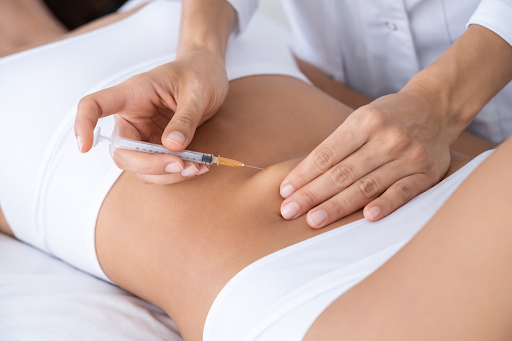
Semaglutide is FDA-approved, but how you use it is just as important as the medication itself.
There’s a growing difference between properly supervised care and getting medication without any guidance. With telehealth for weight loss being more and more accessible, the best results still come from having a structured, doctor-led treatment plan.
This is especially true when it comes to risk factors like heart attack, kidney disease, or blood sugar fluctuations. Working with a doctor or telehealth weight loss specialist ensures your dosage, progress, and safety are all being monitored from start to finish.
Getting the best results comes down to being consistent, not trying to take shortcuts.
The people who see the best weight loss results are the ones who:
Clinical studies have shown that semaglutide can help patients lose a significant percentage of their body weight when combined with lifestyle changes.
Semaglutide does support weight loss, but it works best as part of a broader treatment plan that’s focused on sustainable weight management.
Just clean the area, get your pen or vial ready, set your dose, get the needle in, take your time with the injection, and then dispose of the needle safely.
Use the subcutaneous method, go slow, and make sure you’re not injecting into muscle.
You can pretty much use the stomach area, the thigh, or the upper arm; just pick a spot and stick with it.
It’s injected subcutaneously.
Once a week on the same day every week.
Most people find the injections pretty painless with the right technique.
It can mess up how your body absorbs the medication and even cause irritation.
Yeah, many patients self-administer safely, as long as you’re following the right guidance.
Get a new needle, check the dose, and make sure the medication is ready to go before you inject.
The first injection always feels like a major hassle that it really isn’t. As soon as you get a handle on how it all works, start following a clear step-by-step routine, and get into a regular schedule, and it all just gets incorporated into your daily routine, no stress, no big deal.
Just something you do, day in, day out. The beauty of it is, it’s actually pretty straightforward. Learn the drill, and then just stick to it and trust the process. It’s when you commit to consistency that things really start to fall into place.
If you’re looking into semaglutide and want a way to get started that feels safer and more supported than going it alone, then getting some guidance from a qualified doctor can make a huge difference.
By having a plan mapped out for you through telehealth consulting, they can make the whole thing feel less overwhelming. They can help walk you through all your options, teach you the correct way to give yourself an injection, and help you come up with a treatment plan that really works for you.
Whether you’re checking out telehealth weight loss, looking for a telehealth weight loss medication, or just want to sit down with a telehealth weight loss doctor and talk through what will work best for your body and health history, having some proper support can make all the difference. A good team behind you can give you the confidence to move forward, make fewer mistakes, and give you a clear roadmap for getting to where you need to be for long-term weight management.