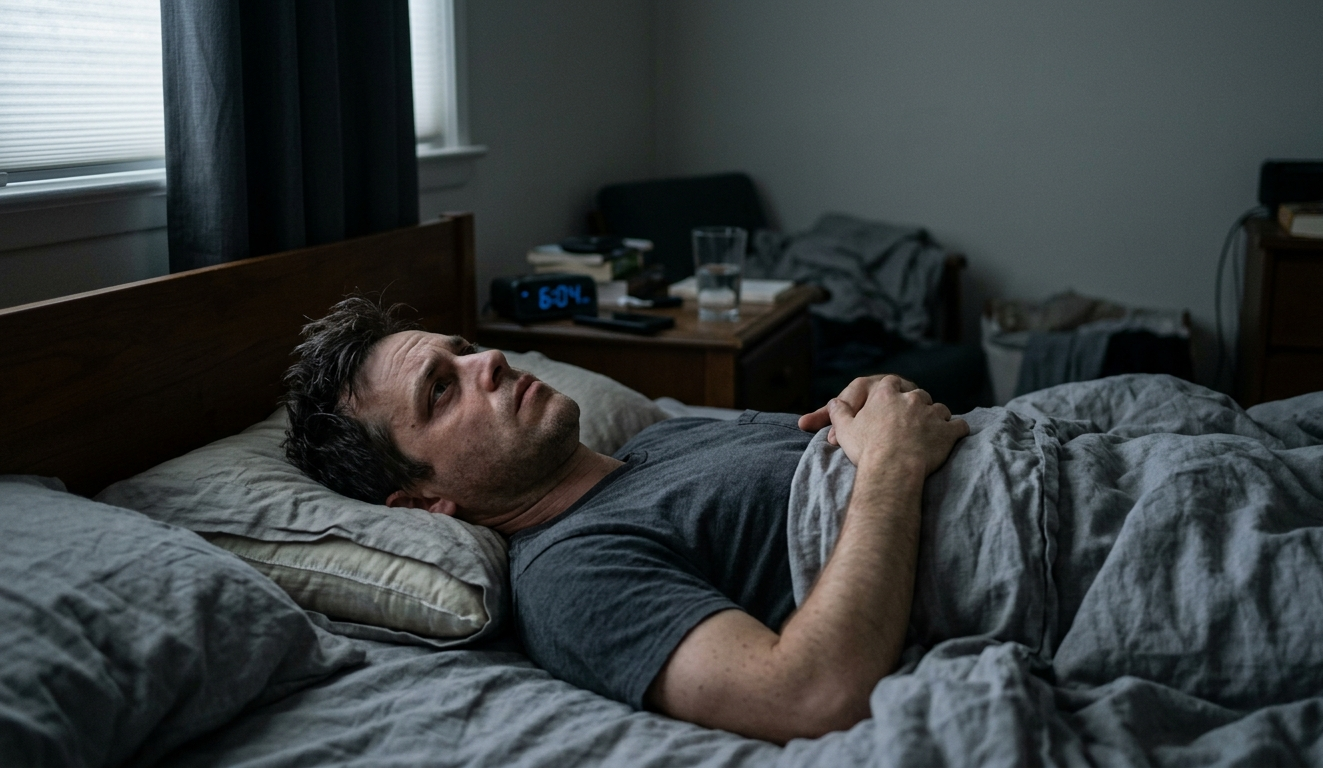
Wake up to that alarm clock and feel like the world just punched you in the gut? You’ve had a full 8 hours of sleep, but still, you feel like you’ve been dragging a thousand-pound weight behind you through the sand.
Wake up to that alarm clock and feel like the world just punched you in the gut? You’ve had a full 8 hours of sleep, but still, you feel like you’ve been dragging a thousand-pound weight behind you through the sand.
We all know the drill: blame it on a crazy week at the office or “just being older.” But the truth is, there’s often a deeper issue at play here.
Your body has its own way of sending out signals when your internal chemistry is off. And when your testosterone levels start to drop, these signs and symptoms don’t come on with a loud bang but rather creep in like a thief in the night, quietly eroding your energy and focus.
We believe that getting to know your own body’s language, recognizing the signs and symptoms, is the first step to regaining the life you want. In this guide, we’re going to explore the nitty-gritty signs that say your body is struggling with low testosterone.
By being aware of these symptoms early, we can work together at LaSara Medical Group to create a personalized plan to get your men’s health back on track.
What does a sudden drop in energy say about needing therapy?
One of the first signs that there’s a problem is a transition from normal tiredness to full-on fatigue.
We see guys who think they’re doing everything right, eating well, sleeping enough, but they’re stuck with a heavy, persistent exhaustion that just won’t quit. It’s not just a case of needing a weekend on the couch to recharge; this is a deep-seated metabolic thing that zaps your energy levels before the day even starts.
Lifestyle factors like poor sleep, an unbalanced diet, and high stress can also contribute to fatigue and low testosterone.
Testosterone therapy can be a game-changer in breaking through that wall of exhaustion. We talk to guys who used to have the drive and motivation to tackle big projects or weekend hobbies, but now those same things feel like impossible tasks. Having less testosterone can really mess with your professional performance and personal happiness.
And let’s not forget about how your body responds to a workout. If you’re finding that you’re still sore days after days, or you’re hitting a wall despite consistent effort, that’s a major red flag. Testosterone plays a huge role in muscle repair. When that engine is sputtering, your recovery time and strength suffer.
Other common symptoms of low testosterone include fatigue, mood changes, decreased muscle mass, and weight gain, all of which can significantly affect a man’s quality of life.
What are the signs that your sex drive is affected by low testosterone?
When it comes to sex, the most obvious symptom is a persistent loss of libido, often referred to as low libido. Now, it’s normal for desire to ebb and flow with stress and life events, but if that lack of interest lasts for months, it’s a big warning sign.
Testosterone is a key sex hormone responsible for regulating sexual function and libido. We believe that healthy sex is an important part of being a guy, and if that’s missing, there may be a deeper hormonal issue at play.
Beyond that, we need to talk about the physical stuff, erectile quality, sexual function, and spontaneous morning erections. Erectile dysfunction is usually a sign that your vascular and hormonal systems are no longer on the same page.
Because testosterone is key to keeping these signals strong, a persistent lack of nocturnal erections can be a major indicator of a problem.
And then there are the guys who come to us with concerns about male hypogonadism. This can affect reproductive health, leading to issues with semen volume, sperm production, and sperm quality.
Testosterone is produced in the testes, which are the male sex organs, and these organs play a crucial role in sexual health.
While these things aren’t always visible in daily life, they’re a big part of a comprehensive clinical evaluation.
Sexual symptoms such as low libido and erectile dysfunction are among the most specific indicators of testosterone deficiency.
Can weight gain and body composition changes signal that you need TRT?
If you’re struggling with unexplained weight gain, particularly around the middle, or having trouble losing weight, you might be in a tough spot. We see guys in their 30s and 40s who just can’t seem to shake off the extra pounds, even when their diet and exercise are on point.
Obesity and diabetes are significant risk factors for low testosterone, with studies showing that 30% of overweight men and 24.5% of men with diabetes have low testosterone levels. And to make matters worse, this visceral fat can actually further suppress your hormones.
On top of that, you might notice that you’re losing muscle mass despite a solid resistance training and high-protein diet routine. Low T levels can contribute to muscle loss and hormonal imbalance.
We believe that TRT for weight loss and muscle gain can be an effective strategy because it helps restore the metabolic environment that lets your body favor lean tissue over fat.
In extreme cases, a hormonal imbalance can even lead to gynecomastia, which is when guys develop breast tissue. This happens when your testosterone-to-estrogen ratio gets way out of whack.
It’s a pretty obvious sign that your endocrine system needs some professional help. Age-related decline in testosterone is also a factor, as testosterone levels generally decrease by 1–2% per year after age 30–40, which can contribute to these changes in body composition.
Muscle Density: Take note if your muscles feel “soft” or less full, even when you’re putting in consistent training time.
Midsection Weight: Noticeable fat gain around the waist that’s refusing to budge despite regular dieting efforts.
Post-Gym Fatigue: Feeling completely drained, like you’ve run a marathon, for 24–48 hours after a moderate lifting session.
Strength Loss: Waking up one morning to discover your strength levels have taken a nosedive without any obvious reason.
How does low testosterone mess with your mood and mental clarity?
The impact of hormones on the brain gets way too little attention, but that’s where men tend to feel the effects the most. We’ve heard patients describe a persistent sense of “brain fog” that makes everyday tasks feel like climbing a mountain.
It’s no wonder they struggle to focus or process information quickly when they’re stuck in this rut. Decreased cognitive speed and those pesky memory lapses are common symptoms of low testosterone that men in their 30s and 40s all too often experience.
Beyond just cognitive function, not having enough testosterone or the right balance of hormones can be a real driver of irritability and depression in men.
We see guys who’ve been told they’ve got “anger issues” or are “burned out,” and they’re like, “No way, I’m just struggling to get through the day!” But it turns out the root cause is often a hormonal deficiency that’s flying under the radar.
And that emotional instability we see so often? Yep, that’s just a fancy way of saying “I’m losing my cool” a lot.
Sleep problems play a huge role in this whole mess, too. Low testosterone levels are closely linked to insomnia and even sleep apnea. Sleep apnea and other medical conditions can contribute to or result from low testosterone.
And if you’re not sleeping well, your body can’t even produce testosterone to begin with, which just makes your sleep problems even worse. We really think breaking this cycle is key to getting your mental health back on track and feeling like yourself again.
What are the sneaky signs that your hormones are out of whack?
Not every sign of a hormonal imbalance is something you can see in the mirror or feel in the gym; some are only visible when they become a major problem. For instance, a long-term lack of testosterone can be a primary driver of bone density loss in men.
Without this hormone’s protective effects, bones can start to thin out and become brittle, which is a real risk for fractures as you get older. Decreased bone density, increased body fat, gynecomastia (enlarged breast tissue), and hair loss are also important signs and symptoms of low testosterone.
Curiously, men can also experience “hot flashes” similar to what women go through during menopause. If you find yourself suddenly feeling like you’re on fire and sweating buckets, particularly at night, that’s often a sign that your body’s internal thermostat is being disrupted by a lack of stable testosterone production.
Last but not least, there is a real anemia risk associated with chronic low testosterone because the hormone plays a crucial role in red blood cell production. A long-term lack of testosterone can lead to low iron levels and poor oxygen transport throughout the body.
These symptoms, when combined with biochemical evidence of low testosterone, are part of what clinicians refer to as testosterone deficiency syndrome, a clinical diagnosis that requires proper testing and medical evaluation. That’s why we view hormone optimization as a whole-body medical necessity.
How do you know if you might be a candidate for testosterone therapy?
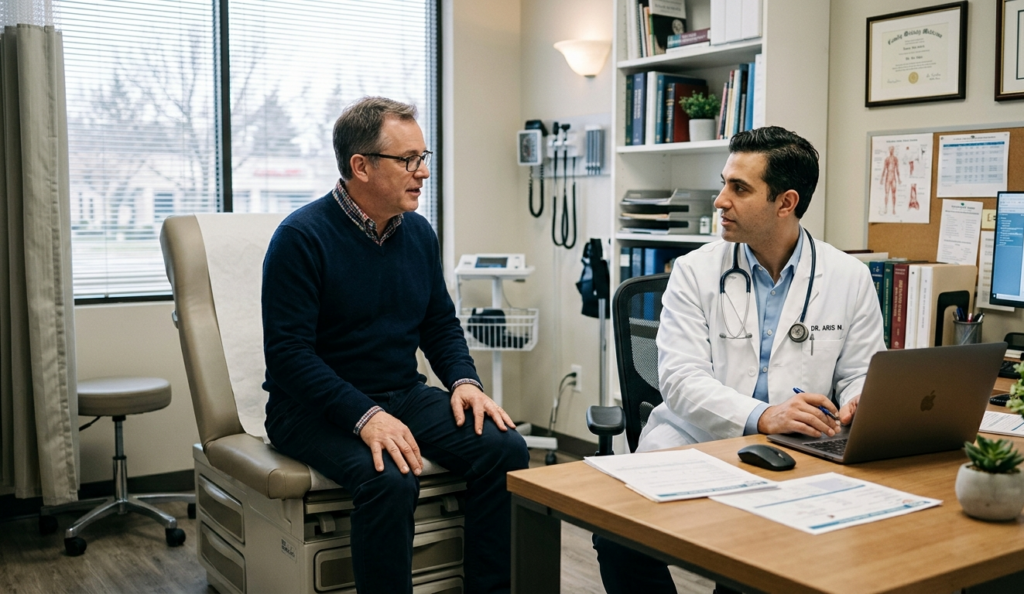
At LaSara Medical Group, we don’t mess around when it comes to figuring out what’s going on with your health. We look at the hard data first and foremost. That means a comprehensive testosterone test, where we check both your total testosterone and free testosterone blood levels.
To accurately assess how much testosterone you have, a blood test should be conducted in the morning (ideally between 7 and 9 a.m.) and repeated at least twice to confirm low testosterone. Your total testosterone level tells us how much testosterone is present, but free testosterone tells us how much is actually “unbound” and available for your body to use.
We compare your results to normal levels to determine if you meet the clinical threshold for testosterone deficiency.
We then take a close look at how your lab results align with your actual quality of life.
The American Urology Association recommends that testosterone replacement therapy (TRT) be prescribed only to men who meet the clinical and laboratory definition of testosterone deficiency, specifically, a testosterone level below 300 ng/dL along with corresponding symptoms.
While a total testosterone level below 300 ng/dL is a standard threshold, we’re more interested in how those numbers affect your everyday life. TRT is generally not recommended for normal aging or for individuals with specific health risks like untreated prostate cancer.
During our telehealth consulting services, we screen for pre-existing conditions such as prostate cancer or high blood pressure to ensure that any treatment plan we come up with is safe and tailored to your unique situation.
Once we confirm a deficiency, we move on to designing a personalized testosterone treatment plan. Testosterone supplementation and hormone therapy are not one-size-fits-all solutions, so we tailor every plan to your specific goals and needs, using only medically approved testosterone products.
Treatment options include testosterone injections, testosterone gel, topical gels, transdermal patches, oral tablets, intranasal sprays, and subcutaneous pellets.
Testosterone gels and patches are non-invasive methods that allow the hormone to be absorbed through the skin, but care must be taken to prevent transfer to others. Injections are a common method for those who prefer not to use gels or have absorption issues.
Testosterone supplementation is considered when lifestyle changes are insufficient, and we always personalize your plan for safety and effectiveness.
A thorough physical exam is an important part of the diagnostic process before testing hormone levels, and we follow comprehensive assessment guidelines from sexual medicine experts, such as the British Society for Sexual Medicine.
The pituitary gland plays a key role in regulating testosterone production; primary hypogonadism results from testicular issues, while secondary hypogonadism, including late-onset hypogonadism, stems from dysfunction of the hypothalamus or pituitary gland, often seen in older men or those with metabolic conditions.
Testosterone therapy can reduce sperm count and fertility, so this is discussed with patients considering treatment.
We also monitor cardiovascular risk, cardiovascular safety, and heart disease, as recent studies show that testosterone therapy does not increase cardiovascular risk and may improve sexual function, physical function, and quality of life in men with testosterone deficiency.
However, in 2015, the FDA required a warning label regarding testosterone therapy and cardiovascular safety due to studies suggesting an increased risk of heart attack and stroke, and some studies indicate an increased risk of deep vein thrombosis and pulmonary embolism.
We differentiate medical TRT from anabolic steroids, which are often abused at much higher doses and carry significant health risks.
Frequently Asked Questions About the Signs You Need Testosterone Therapy
What are the most common physical warning signs that mean you might need testosterone therapy?
The three most common physical signs we see include unexplained weight gain around the middle, loss of muscle mass, and a significant decrease in your ability to recover from exercise.
How does “brain fog” or a lack of mental clarity relate to actually needing TRT?
Testosterone receptors are all over the brain; when your levels get low, cognitive processing speeds slow way down, making it tough to focus.
Can a sudden decrease in exercise recovery and muscle strength be a major indicator?
Absolutely. If you’re training consistently but seeing a decrease in strength or an increase in post-workout soreness, your hormones may be holding you back.
What are the specific red flags related to sexual health and libido that suggest therapy is a good idea?
Losing interest in sex and the disappearance of those spontaneous morning erections are two of the most reliable indicators of a testosterone deficiency.
Are there any visible physical changes, like hair loss or body fat redistribution, that can signal a deficiency?
Yes, men often notice a shift; their bodies start storing fat in the midsection and chest area, even if they’re not making any major changes to their diet.
How do emotional symptoms like getting easily irritated or stuck in a low mood come into play when your doctor is making a diagnosis?
The hormonal imbalances that lead to neurochemical shifts in the brain can bring about anxiety and a loss of confidence. And the good news is that once levels are balanced out, these issues tend to resolve on their own.
Does a lack of morning wood serve as a useful warning sign for when to get yourself checked out by a doctor?
Absolutely, morning erections are sort of like a built-in health check that your body performs. And if they’re missing, that’s actually a pretty reliable indicator that testosterone production is low.
Can chronic fatigue that lingers long after a good night’s sleep be a sign that you have low testosterone?
Yeah, it’s often described as profound exhaustion, and it’s a pretty common symptom that men who are on testosterone therapy for chronic fatigue will experience.
At what point do symptoms become severe enough that you need to start looking into clinical therapy, as opposed to just making lifestyle changes?
When you try implementing better sleep routines, increasing your physical activity, and making overhauls to your diet, but those changes just don’t seem to be moving the needle on your symptoms, then it’s probably time to book a proper medical evaluation.
Are there any specific signs of bone loss or joint pain that are associated with the need for surgery to replace those joints?
Bone loss is often sneaky, and you might not even notice it till something gives under your body, like a history of frequent fractures or persistent joint pain for no apparent reason. Either of those can be a sign that you’ve been dealing with low testosterone for a long time.
Can low testosterone affect fertility or reproductive health?
Yes, low testosterone can impact fertility by reducing sperm production, which may make it more difficult to conceive.
Conclusion: Reclaiming Your Peak Performance
We genuinely believe that no man should have to settle for a life that feels like a shadow of what it used to be. The symptoms you’re experiencing are basically your body’s way of saying, “Hey, I need a hand!” and if you just ignore them and carry on like nothing’s wrong, then the fatigue just keeps on going and going.
Whether your issue is with physical changes, or mental fogginess, or just a general loss of drive, online testosterone therapy offers a clear way forward that can actually start to get you feeling better again. And if your life has always been about pushing forward, all that hard work is pretty much worthless if you don’t have the energy to actually enjoy it.
We specialise in making hormone optimisation a safe and relatively painless process for men at LaSara Medical Group. We bring expertise and the right diagnostic tools to the table so that when you walk out of our clinic, you’re not just, you’re actually getting better.
Give us a shout at LaSara Medical Group to set up blood work and get started on creating a personal hormone optimisation plan that’s tailored to you.