

Having confidence and feeling great in your own body can make a huge difference in your quality of life and overall wellness. Various studies suggest that body satisfaction and body acceptance play a major role in people’s emotional well-being. Additionally, being content with one’s looks is linked to higher self-esteem and a lower risk of mental health disorders.
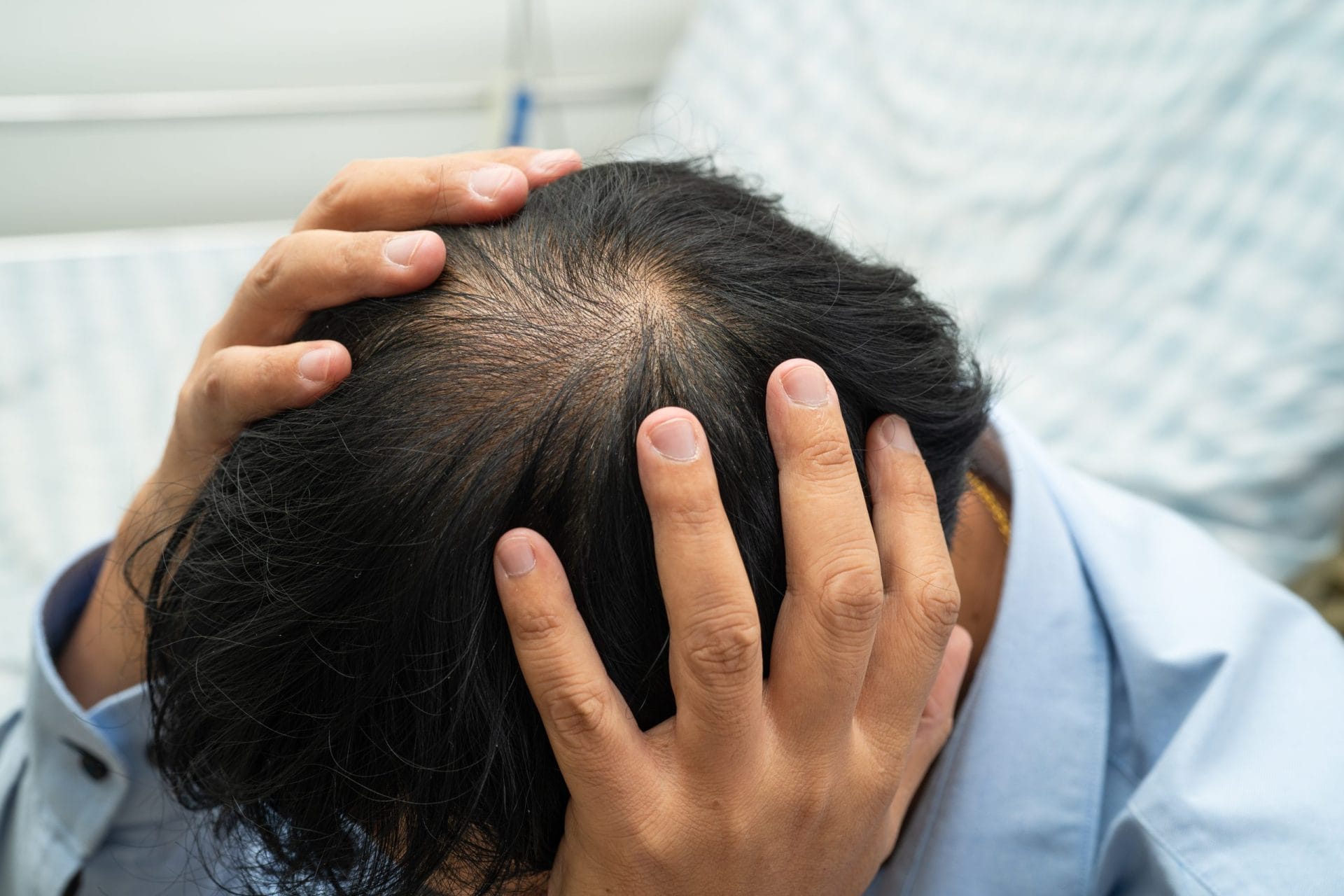
For men and women alike, hair loss is a major factor in feeling confident and happy with their appearance. Hair loss and hair thinning have many natural causes like aging, genetic predisposition, stress, and nutrient deficiency.
Some individuals receiving testosterone replacement therapy (TRT) may have questions and concerns about whether their treatment could cause them to experience hair loss. In this article, we cover the connection between TRT and hair health, female pattern, and male pattern baldness. We also discuss potential treatment options and solutions for hair loss. Read on to find out more!
Testosterone replacement therapy (TRT), like the one offered at LaSara Medical Group, can help regulate testosterone levels in the body. Testosterone is a sex hormone naturally produced by the body. It usually peaks in adolescence and early adulthood and begins to decline with age.
Low testosterone levels can result in side effects like:
Optimizing t levels can benefit people of any age, helping you achieve your desired results with minimal side effects. Benefits of testosterone therapy include:
Testosterone treatment therapy can be administered via an injection, gel patch, or oral pill. TRT and Hair Loss Connection
Testosterone and dihydrotestosterone (DHT) could be connected to hair loss. After the body produces testosterone, about 10% of it metabolizes and becomes DHT. This can cause female-pattern hair loss and androgenetic alopecia (male-pattern boldness). When you have higher levels of testosterone because of testosterone treatment, the amount of DHT in your system also increases, increasing the risk of hair loss. However, it has been noted that only individuals whose hair follicles are sensitive to DHT are at an increased risk of hair loss. High levels of DHT on their own do not cause hair loss.
After the body produces testosterone, an enzyme called 5-alpha reductase converts a small percentage of it into DHT. This conversion occurs in multiple places in the body, including the hair follicles, where DHT binds to androgen receptors. This can disrupt the normal hair growth cycle and become the cause of hair loss in people genetically predisposed to androgenic alopecia. Because of the disrupted hair growth cycle, the hair follicles don’t spend enough time in the growth phase and become thinner and shorter, resulting in hair loss over time.
If you notice that you started experiencing hair loss after testosterone therapy, you have a few choices. Different treatment options are available to help prevent hair loss and to restore healthy hair.
Having a full head of hair is a huge confidence booster and has the potential to increase your overall happiness with your appearance. However, in certain situations, when your body is experiencing hormonal imbalances or low t levels, you might choose to receive TRT therapy. While testosterone therapy can help you restore normal testosterone levels and help you build muscle, improve your sex drive, and support your mood and sleep, it can also increase your chance of hair loss if you are genetically predisposed to it.
Fortunately, there are many treatment options for hair loss prevention available for you to include alongside TRT. Medications like finasteride, dutasteride, and minoxidil can help restore hair density, improve the appearance of body hair and facial hair, and reduce the negative effects of DHT. The bottom line is that you should not let the fear of hair loss stand in the way of receiving the numerous benefits that testosterone treatment can offer you.
If you are interested in finding out how TRT protocols can help you in your weight loss, our helpful medical staff is here to help. At LaSara Medical Group, we understand the unique challenges men and women face. Our highest priority is to help you get back to feeling healthy and confident, and we are happy to offer nationwide coverage. Book a consultation with us today and allow us to guide you toward your goals. Our knowledgeable providers are here to help craft a personalized approach to your hormone treatment protocol and help improve your quality of life without you ever having to physically come into the office. Call us today to schedule a Telehealth appointment, or come to see us in person at one of our offices in Orange County, San Diego, or Los Angeles.